


Most people carry some level of tension every day. Deadlines, family duties, money concerns, and constant phone notifications keep the mind busy. Over time, this steady pressure can feel overwhelming, showing up in tight shoulders, poor sleep, and racing thoughts that refuse to slow down. Mindfulness meditation offers a gentle way to respond differently. It is not about escaping life or blocking out problems, but about learning to pause and pay attention to the present moment. That small shift can support real stress reduction and help calm anxious patterns before they spiral.
Understanding Stress and Anxiety in Daily Life
Stress is the body’s natural response to challenge. When you face a tight deadline or an unexpected bill, your heart beats faster and your muscles tense because your system is preparing you to act. Anxiety often grows when that stress response does not turn off, and instead of fading after the situation passes, the mind keeps replaying worries. Thoughts jump from one concern to another, sleep becomes lighter, and concentration weakens. Long term tension affects both mental and physical health, leading to headaches, digestive issues, and irritability.
What Mindfulness Meditation Really Means
Mindfulness meditation is the practice of paying attention on purpose. You notice your breath, bodily sensations, or sounds around you, and when your mind wanders, you gently bring it back without judging yourself. Many people confuse mindfulness with relaxation, yet its main goal is awareness rather than simply feeling calm. You learn to see thoughts and emotions clearly instead of being carried away by them, and that awareness builds space between a trigger and your reaction. Over time, mindfulness becomes less of a formal exercise and more of a daily attitude.
The Science Behind Stress Reduction Through Mindfulness
Research has explored how meditation affects the brain and nervous system. Studies from institutions such as Harvard University suggest that regular mindfulness practice may influence areas linked to attention and emotional regulation, with changes developing gradually through consistent effort. The American Psychological Association has also reported that mindfulness-based practices can reduce symptoms of anxiety and improve overall well-being. One reason mindfulness supports stress reduction is that it interrupts automatic stress cycles, allowing a pause between stimulus and response. That pause gives the nervous system time to settle, and over weeks and months, this repeated calming response can reshape how pressure is experienced and managed.
How the Nervous System Responds
When you feel threatened or overwhelmed, your body activates the fight or flight response and releases hormones that prepare you to react. This response is useful in short bursts but draining when it stays active for long periods. Mindful breathing helps signal safety to the body by encouraging slower and steadier breaths, which can reduce heart rate and ease muscle tension. As you focus on the rise and fall of your chest, the nervous system gradually shifts toward a calmer state.
Brain Changes Over Time
Consistent mindfulness practice appears to support changes in brain regions related to focus and emotional balance. Rather than reacting strongly to every stressful event, regular practitioners often report feeling steadier and less overwhelmed by sudden challenges. These changes do not happen instantly, and like physical training, they require patience and repetition. Even short daily sessions can gradually strengthen attention and emotional control. Over time, you may notice that situations that once triggered intense anxiety feel more manageable, reinforcing the role of mindfulness in steady stress reduction.
Mindfulness Techniques That Ease Anxiety
Mindfulness meditation does not need to be complicated or time-consuming. Simple techniques can fit into almost any routine, and what matters most is steady practice paired with a kind attitude toward yourself. When anxiety rises, the mind often jumps ahead to worst-case scenarios, creating tension that feels urgent and real. Mindfulness gently brings attention back to the present moment, reminding you that right now you are breathing and safe. This grounding effect plays an important part in stress reduction because it reduces the intensity of anxious spirals and restores a sense of control.
Breath Focus Practice
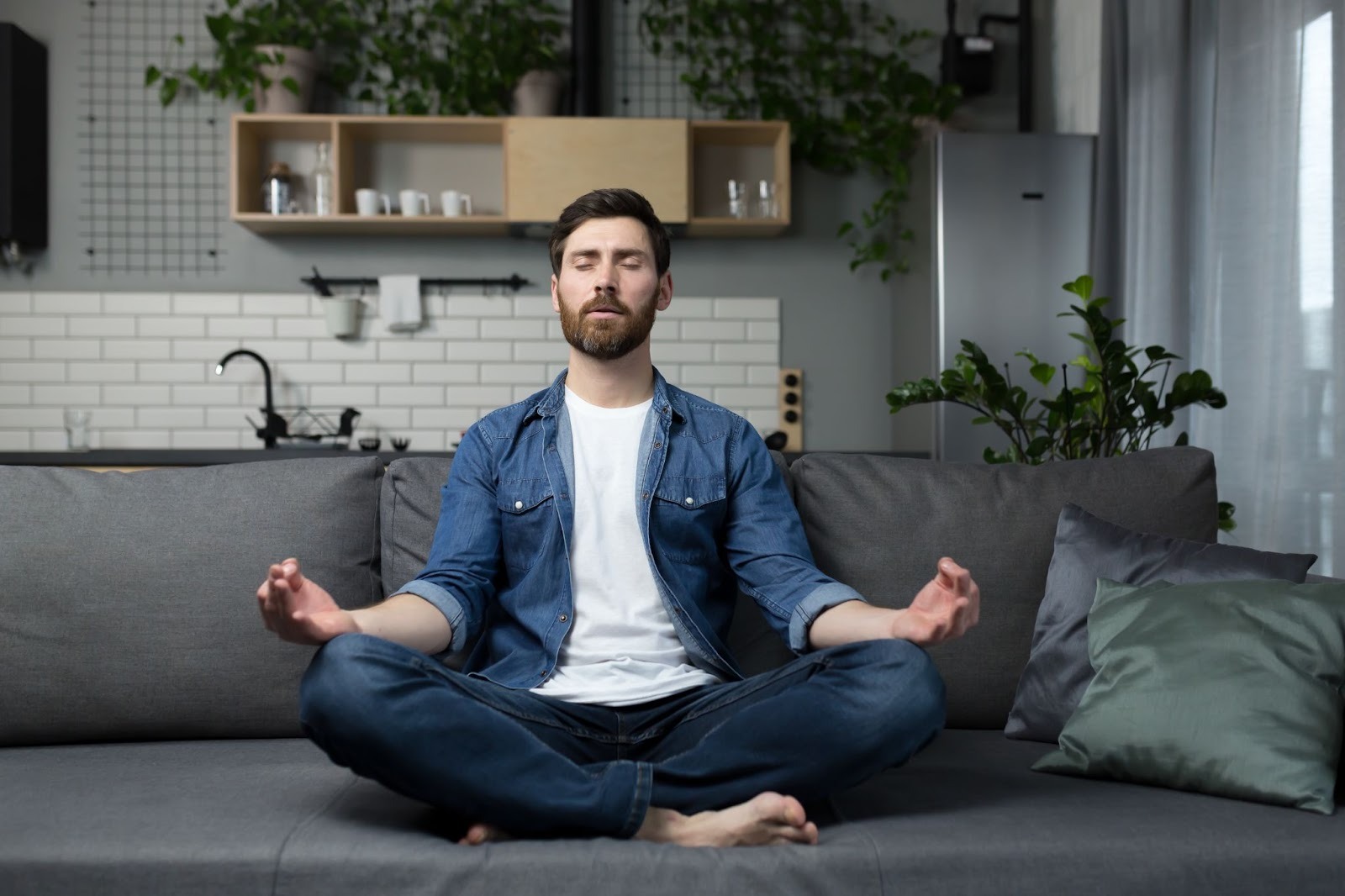
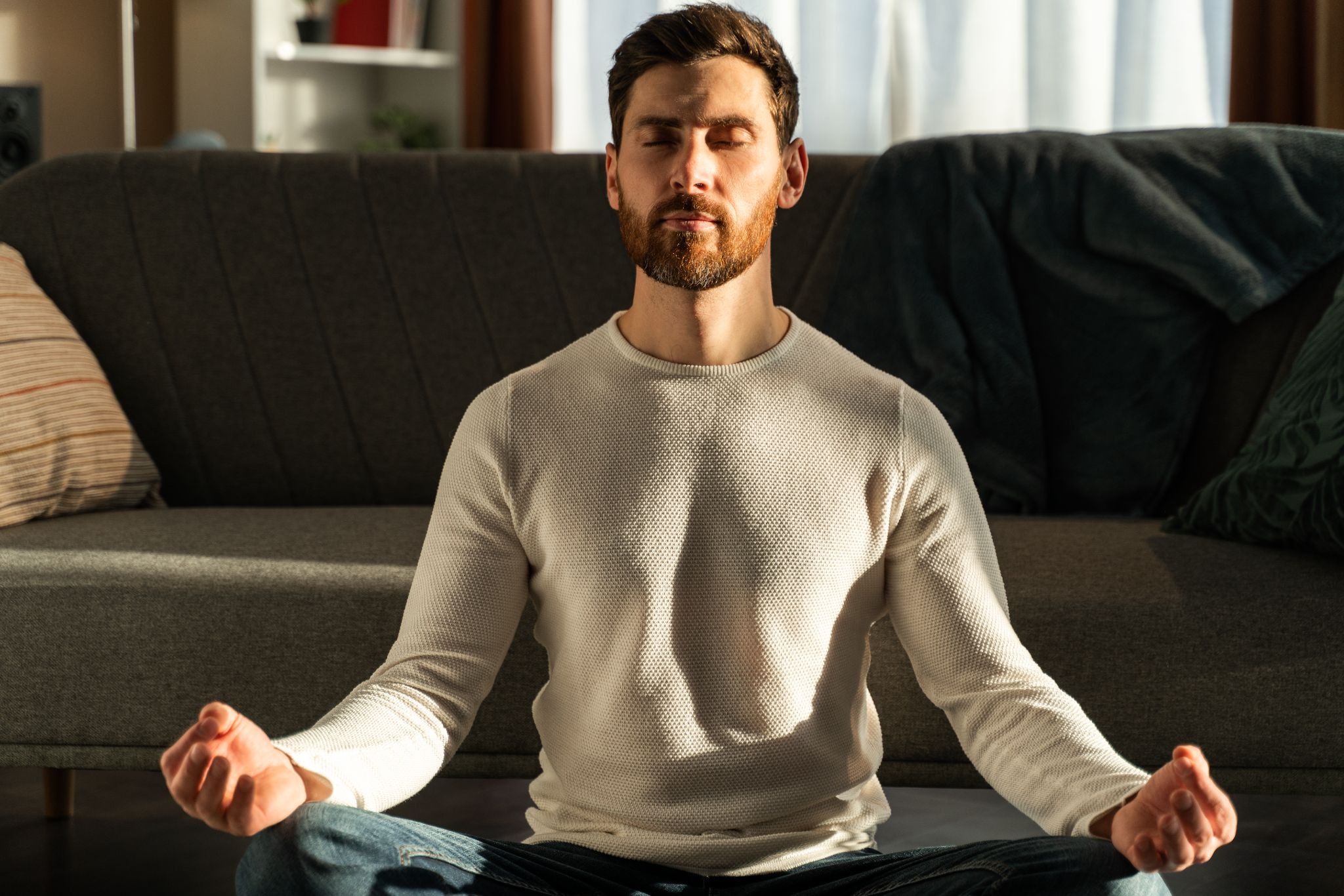
Breath focus is one of the most accessible forms of meditation. You sit comfortably and notice the sensation of air moving in and out of your body, allowing your attention to rest on that simple rhythm. Your mind will wander, and when it does, you calmly guide it back to the breath without frustration. Each return strengthens your ability to refocus and remain steady under pressure. Practicing for a few minutes daily can create noticeable shifts in mood and concentration, supporting stress reduction both during meditation and in everyday situations.
Body Scan Awareness
A body scan involves moving your attention slowly from head to toe while observing sensations without trying to change them. Many people discover they hold stress in their jaw, shoulders, or lower back, and simply noticing this tension can lead to natural relaxation. This practice builds awareness of how anxiety manifests physically, helping you respond earlier rather than waiting until discomfort becomes intense. When done before sleep, a body scan can encourage deeper rest and a calmer mind. Over time, it becomes a dependable tool for stress reduction, especially during periods of prolonged pressure.
Observing Thoughts Without Judgment
Anxious thoughts often feel convincing and urgent, yet mindfulness teaches you to see them as passing mental events rather than fixed truths. You might imagine them drifting across the sky like clouds, appearing and fading without needing to be chased or pushed away. Instead of arguing with a thought, you simply notice it and return your attention to the present moment. This reduces emotional intensity and creates distance from worry. With regular practice, this skill becomes a strong support for stress reduction because you recognize that thoughts are experiences you have, not definitions of who you are.
Daily Habits That Support Mindful Living
Mindfulness extends beyond formal meditation sessions and can be woven into ordinary activities. When eating, you can notice flavors and textures rather than rushing through a meal. When walking, you can pay attention to the sensation of your feet touching the ground and the rhythm of your movement. Choosing to focus on one task at a time instead of multitasking reduces mental clutter and improves clarity. These small daily habits reinforce meditation practice and strengthen awareness throughout the day. Over time, this steady attention contributes to ongoing stress reduction without requiring extra hours in your schedule.
Workplace Stress and Mindfulness Integration
Work environments often generate ongoing pressure through deadlines, expectations, and constant communication. Short mindfulness pauses during the day can reset attention and reduce emotional reactivity before it builds. Some organizations, including Google, have introduced mindfulness programs to support employee well-being and focus. You do not need a formal program to benefit, however, since even one minute of steady breathing at your desk can calm the nervous system. Regular short breaks for awareness can improve decision-making and reduce conflict, reinforcing stress reduction in professional settings.
Building a Sustainable Stress Reduction Routine
Creating a routine begins with realistic expectations. Choose a time of day that fits naturally into your schedule so practice feels manageable rather than forced. A quiet corner and a comfortable seat are enough to begin, and elaborate setups are not required. It can help to set a gentle reminder on your phone or link meditation to an existing habit, such as morning coffee. Over weeks and months, regular practice becomes easier and more automatic. This consistency forms the foundation of lasting stress reduction and makes mindfulness a reliable part of daily life.
Long-Term Emotional Resilience Through Mindfulness
As mindfulness becomes familiar, subtle changes often appear in how you handle challenges. You may notice that you pause before reacting or that you recover more quickly after disappointment. This growing resilience comes from repeated practice in observing thoughts and emotions without being overwhelmed by them. Relationships can improve as you listen more attentively and respond with greater care. Stress will always exist in some form, yet mindfulness changes your relationship with it. Through steady awareness and practice, stress reduction becomes less about avoiding pressure and more about meeting life with calm steadiness and clarity.