
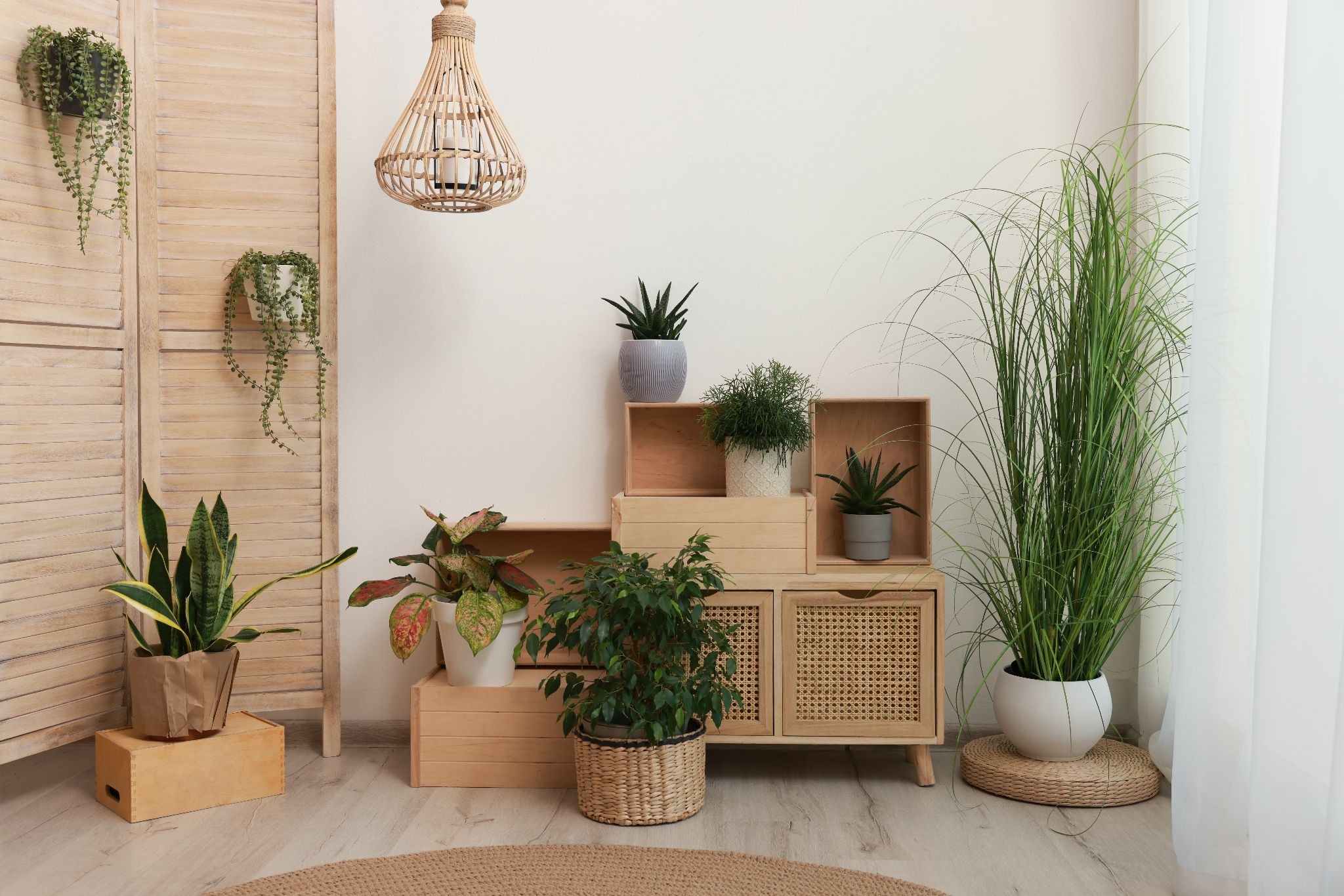



You already know plants are good for your home. That part isn’t news. What most people don’t know is how the actual biology is happening inside your walls every single day. How a Snake Plant quietly releases oxygen while you sleep. How a Peace Lily is absorbing the benzene coming off your new sofa. How the dust on your Rubber Plant’s leaves might be quietly canceling out everything it’s supposed to be doing. Indoor air plants are genuinely useful tools for home wellness, but only when you understand them well enough to use them right. That’s exactly what this article is about.
The Science Behind How Plants Clean Indoor Air
Photosynthesis and Gas Exchange
Plants breathe through tiny pores called stomata, mostly found on the underside of their leaves. During daylight hours, they pull in CO₂ and release oxygen as a byproduct of photosynthesis. That part most people know. What’s less understood is that these same stomata also capture airborne particulates, microscopic dust, pollen, and pollutant particles that float through your rooms unnoticed.
Broad-leafed plants do this more effectively than narrow ones. A Monstera or Rubber Plant has significantly more stomatal surface area than something like a Dracaena. More surface area means more contact with the air, which means more filtration happening passively throughout the day. Leaf shape and size genuinely matter when you’re choosing plants for air quality rather than aesthetics.
Phytoremediation and VOC Absorption
This is where things get more interesting. Volatile organic compounds, or VOCs, are chemicals that off-gas from everyday household items, such as fresh paint, new furniture, synthetic carpets, cleaning sprays, and even scented candles. Formaldehyde, benzene, trichloroethylene, and xylene are all VOCs, and they build up indoors faster than most people realize because modern homes are well-sealed and poorly ventilated. Plants absorb VOCs through their leaves and roots. The leaves capture the compounds from the air directly, while microorganisms in the root zone break down certain chemicals in the soil.
Which Indoor Air Plants Are Actually the Most Effective
Top Performers for VOC Removal
The Peace Lily consistently ranks at the top of air-purifying plant lists, and for good reason. It targets benzene, formaldehyde, and trichloroethylene — three of the most common indoor VOCs. It also happens to thrive in low light, which makes it practical for rooms that don’t get much sun. It’s one of the few plants that combines strong purification credentials with genuine ease of care.
The Spider Plant is another standout. It handles carbon monoxide and xylene particularly well, which makes it a smart choice for kitchens where gas hobs produce CO as a byproduct of cooking. Spider Plants are also nearly impossible to kill, which matters because a stressed or dying plant stops purifying and starts contributing to poor air quality through soil mold.
Boston Fern is the specialist pick for formaldehyde and humidity regulation. It pulls moisture into its fronds and releases it back into the air, acting as a natural humidifier alongside its purification role. Bamboo Palm is worth considering for larger rooms — it’s one of the more effective plants for filtering trichloroethylene and benzene, and handles the scale of an open-plan living area better than smaller species.
Best Plants for Oxygen and Humidity Balance
The Snake Plant, also known as Sansevieria, is unique because it uses CAM photosynthesis, a process that allows it to release oxygen at night rather than during the day. Most plants do the opposite. This makes it genuinely useful in a bedroom, not just decoratively, but functionally. It’s also one of the most drought-tolerant houseplants available, which means neglect won’t kill it.
The Areca Palm is one of the highest oxygen-output plants you can keep indoors. It also acts as a natural humidifier, making it ideal for dry homes or rooms with a lot of electronics running. The Rubber Plant rounds things out with its large, waxy leaves that maximize gas exchange surface area. Aloe Vera is worth adding to any bedroom setup, too; it releases oxygen overnight and takes up almost no space.
Where to Place Indoor Air Plants for Maximum Effect
Placement is just as important as plant selection. A well-chosen plant in the wrong spot will consistently underperform. The bedroom is the most important room to get right, given how many hours you spend breathing that air. Snake Plant and Aloe Vera are the go-to choices here, both release oxygen overnight, both tolerate lower light levels, and neither demands much attention.
The kitchen benefits most from the Spider Plant positioned near the cooking area. Gas hobs produce carbon monoxide and nitrogen dioxide during normal use, and a Spider Plant within a few feet of that zone actively works to reduce those concentrations. Pothos is another kitchen-friendly option. It’s a fast grower, handles fluctuating temperatures well, and deals with cooking fumes effectively.
In bathrooms, humidity is your ally. Peace Lily and Boston Fern both thrive in moist air and do their best filtering work in those conditions. They also handle the airborne mold spores that bathrooms naturally generate, which is a less glamorous but genuinely important air quality benefit.
For living rooms and home offices, the focus should be on VOC-heavy zones. New furniture, electronics, and synthetic flooring all off-gas chemicals continuously. Positioning an Areca Palm, Rubber Plant, or Bamboo Palm near these sources puts the plant’s absorption capacity where it’s needed most. If you have a home office with MDF furniture or a new desk, this placement matters more than most people realize.
Common Mistakes That Reduce a Plant’s Air-Purifying Ability
Overwatering and Root Health
Overwatering is the most common mistake, and it directly undermines a plant’s air-purifying function. Waterlogged roots reduce a plant’s metabolic activity, which means less gas exchange and less VOC absorption happening at the root zone. In plants like Peace Lily and Pothos, soggy soil also creates conditions for mold growth, which introduces new spores into your indoor air. That’s the opposite of what you’re trying to achieve. Terracotta pots, proper drainage trays, and watering only when the top inch of soil is dry will solve most overwatering problems.
Dust on Leaves and Poor Lighting
A dusty Rubber Plant is a less effective Rubber Plant. Dust builds up on broad leaves and physically blocks the stomata, reducing the plant’s ability to exchange gases with the surrounding air. Wiping leaves down once every week or two in high-dust environments is simple maintenance that makes a real difference. Use a damp cloth, nothing chemical.
Lighting is the other major factor. A Snake Plant will survive in a dim corner, but it will photosynthesize at a much lower rate and purify significantly less air than one placed near a bright window. Matching your plant species to the natural light available in each room isn’t just about keeping the plant alive. It’s about keeping it working.
Pairing Indoor Air Plants with Other Home Wellness Practices
Indoor air plants work best as one layer in a broader approach to home air quality. Opening windows on days when outdoor air quality is good flushes out accumulated VOCs far faster than any plant can. Switching to low-VOC paints, natural cleaning products, and beeswax candles over paraffin reduces the pollutant load your plants have to handle in the first place. Caring for Monstera, Pothos, and Peace Lily also builds a quiet daily routine that supports mental wellness alongside physical air quality. The two benefits reinforce each other in ways that are hard to separate.
Conclusion
Indoor air plants are worth the investment when you choose and place them thoughtfully. The science supports them as a meaningful supplement to good ventilation and reduced chemical inputs, not a magic fix. Start with three well-placed plants: a Snake Plant in the bedroom, a Boston Fern in the bathroom, and an Areca Palm or Rubber Plant in the living room. That simple setup already addresses overnight oxygen, humidity control, and VOC absorption in the rooms where you spend the most time. Build from there as your confidence grows, and your home will reflect it.
Frequently Asked Questions
Q1. Which indoor air plants are best for removing formaldehyde from home interiors?
Peace Lily, Boston Fern, and Spider Plant are the strongest performers for formaldehyde. They absorb it through leaves and the root zone microbes effectively.
Q2. How many indoor air plants do I need for a small apartment to see real results?
Aim for at least one medium plant per 100 square feet. A 500 sq ft apartment needs roughly five well-placed, varied plants for noticeable impact.
Q3. Can indoor air plants really improve sleep quality in the bedroom?
Snake Plant and Aloe Vera release oxygen at night through CAM photosynthesis. Better overnight oxygen levels can support deeper, more restful sleep naturally.