




Achieving a state of total wellbeing in the modern era requires a conscious and integrated approach to physical, emotional, and mental health. It is no longer sufficient to merely avoid illness; true health is characterized by a vibrant energy and a resilient mind that can withstand the stresses of daily life.
By adopting a series of sustainable habits and seeking professional guidance when necessary, individuals can create a lifestyle that fosters long-term vitality.
Maintaining this balance involves a commitment to self-awareness and the willingness to explore both traditional and innovative therapeutic methods to ensure that every aspect of the human experience is supported and nurtured.
1. Establishing a Foundation of Nutritional Excellence
The most immediate way to influence your wellbeing is through the quality of the fuel you provide your body. A diet rich in leafy greens, healthy fats, and high-quality proteins provides the essential building blocks for cellular repair and hormonal balance.
Reducing the intake of refined sugars and artificial preservatives is critical for maintaining stable energy levels throughout the day and preventing chronic inflammation.
By prioritizing whole, unprocessed foods, you create an internal environment that supports immune function and cognitive clarity, allowing you to perform at your peak both physically and mentally.
2. Cultivating Inner Peace through Sound Therapy Treatments
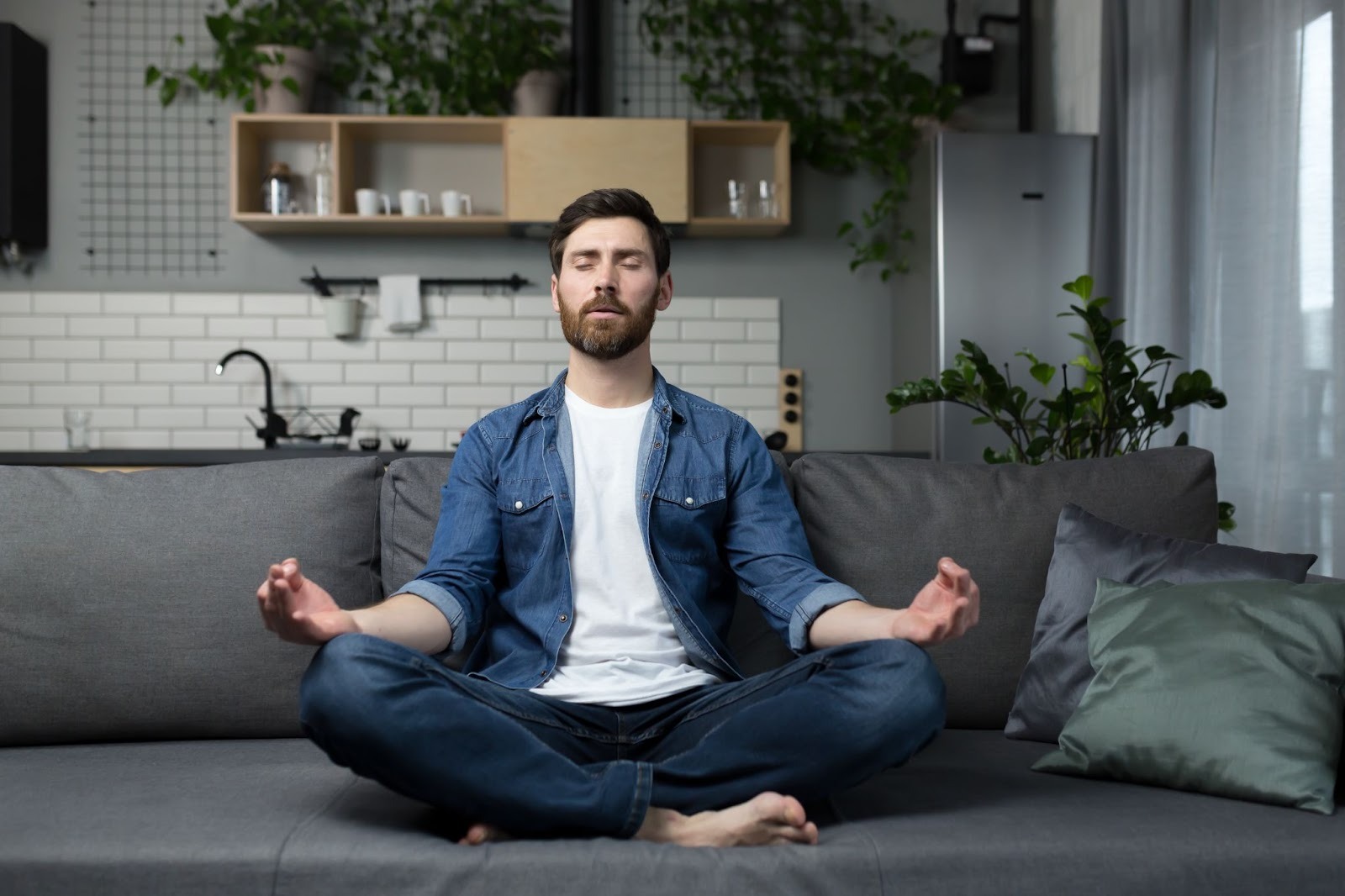
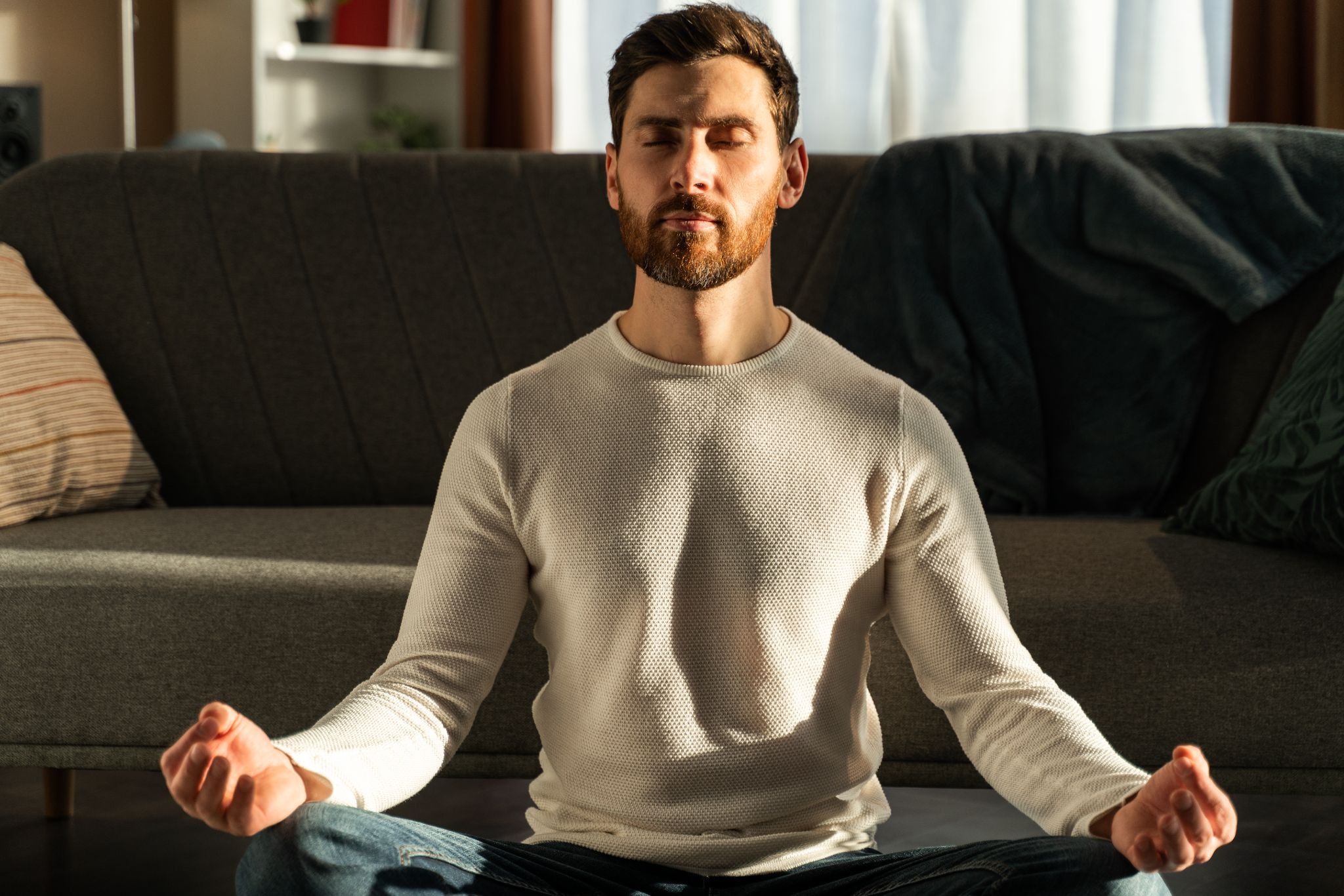
In a world filled with constant noise and digital distractions, finding moments of profound silence or harmonious resonance is essential for the nervous system.
Integrating specialized sound therapy treatments into your routine can be a powerful way to reduce cortisol levels and induce a deep state of relaxation.
These sessions use specific frequencies and vibrations to help realign the body’s energy and quiet a restless mind.
Whether through the use of singing bowls, tuning forks, or guided acoustic environments, these therapeutic experiences provide a unique pathway to emotional regulation and stress relief that complements traditional wellness practices.
3. The Necessity of Consistent Physical Movement
Regular exercise is a non-negotiable component of a healthy lifestyle, offering benefits that extend far beyond muscle tone. Physical activity stimulates the production of endorphins, which serve as natural mood elevators and stress reducers.
Whether you prefer high-intensity training, swimming, or simple daily walks, the key is consistency rather than intensity. Movement improves cardiovascular health, enhances metabolic rate, and ensures that joints remain mobile as you age.
By making exercise an enjoyable and permanent part of your daily schedule, you build a physical resilience that protects against the onset of lifestyle-related diseases.
4. Enhancing Stability with Mental Health Medication Management
For many individuals, maintaining emotional equilibrium requires more than just lifestyle changes; it may involve clinical support to address chemical imbalances.
Engaging in professional mental health medication management ensures that any pharmacological intervention is handled with the utmost precision and care.
This process involves regular consultations with a psychiatrist or medical specialist to monitor the effectiveness of treatments and adjust dosages as needed.
Proper oversight prevents adverse effects and ensures that the medication serves as a stable platform upon which other wellness habits can be successfully built, leading to a more predictable and fulfilling life.
