



Essential oils have been used for centuries, celebrated for their healing properties and aromatic qualities. As people increasingly seek holistic approaches to health, essential oils have garnered attention for their myriad benefits. This blog explores the essential oil benefits that can enhance your overall health and wellness.
What Are Essential Oils?
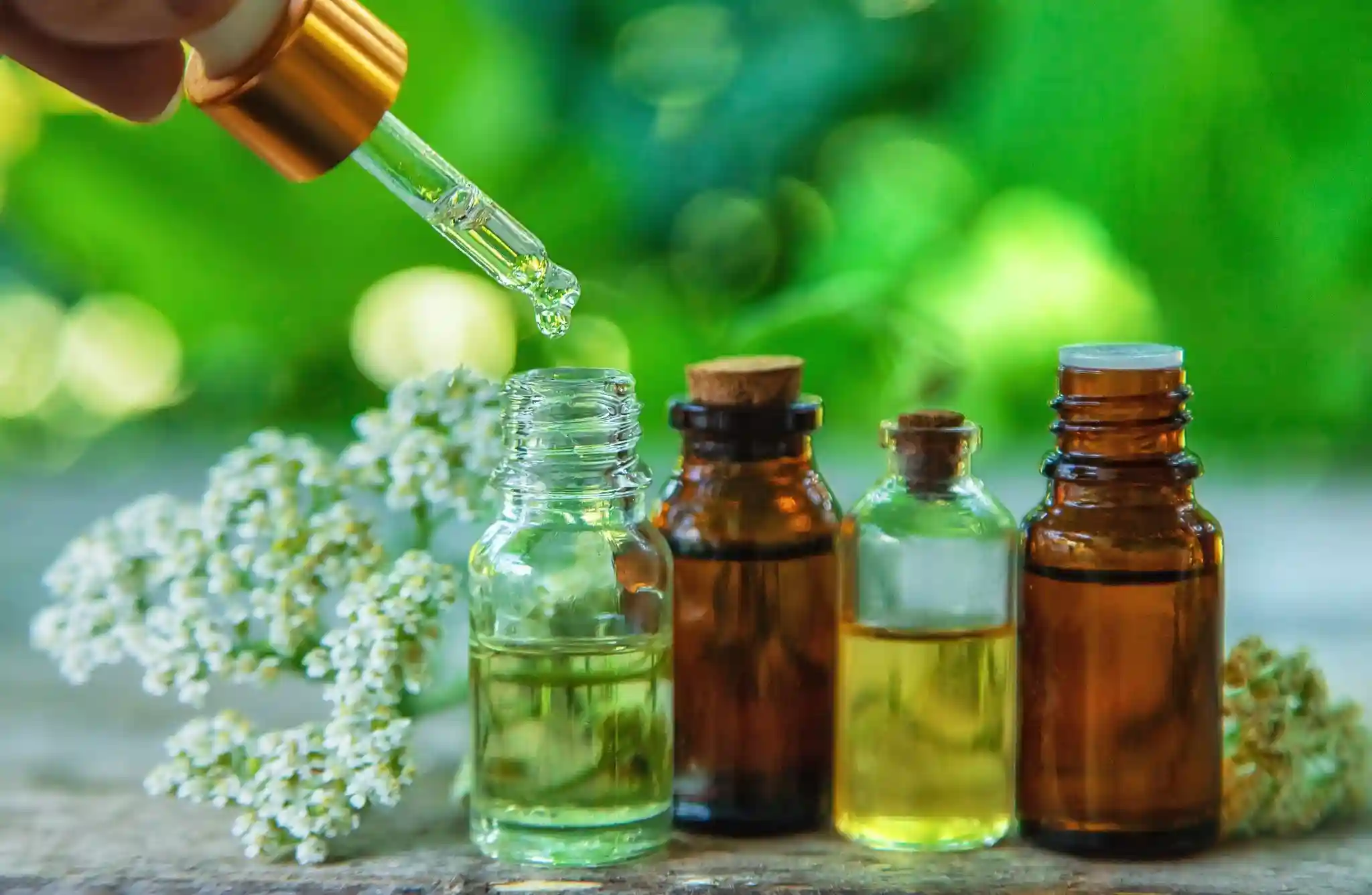
Essential oils are concentrated extracts from plants, capturing their scents and beneficial properties. They are obtained through various extraction methods, primarily steam distillation and cold pressing. Each essential oil has unique characteristics, making it suitable for specific uses.
Definition and Extraction Methods
Essential oils are derived from different parts of plants, including leaves, flowers, stems, and roots. The extraction methods vary, but steam distillation is the most common. This process involves passing steam through plant material, which helps release the oil. Cold pressing, often used for citrus oils, involves mechanically pressing the fruit to extract the oil. Each method ensures that the therapeutic properties of the plant are preserved.
Common Essential Oils and Their Sources
Some popular essential oils include:
Lavender: Known for its calming effects, derived from the lavender flower.
Peppermint: A refreshing oil sourced from the peppermint plant, effective for headaches and digestive issues.
Eucalyptus: Extracted from the leaves of eucalyptus trees, great for respiratory health.
Tea Tree: Derived from the leaves of the tea tree, known for its antiseptic properties.
These oils can be used in various ways, including aromatherapy, massage, and topical applications.
Essential Oil Benefits for Mental Health
Essential oils are not just fragrant; they offer significant mental health benefits as well. Their soothing properties can help alleviate stress, reduce anxiety, and promote emotional balance.
Stress Relief and Anxiety Reduction
Many essential oils, such as lavender and chamomile, have calming effects that can significantly reduce stress and anxiety. Studies have shown that inhaling these oils can lower cortisol levels, the hormone associated with stress. Incorporating these oils into your daily routine can help create a more peaceful environment.
Enhanced Mood and Emotional Balance
Certain essential oils, particularly citrus oils like orange and lemon, are known for their uplifting properties. These oils can help improve mood and enhance feelings of happiness. Using a diffuser with these oils in your home or office can create a positive atmosphere, making it easier to cope with daily challenges.
Physical Health Benefits of Essential Oils
The benefits of essential oils extend beyond mental wellness; they also play a vital role in physical health. From pain relief to immune support, these oils can enhance your overall well-being.
Pain Relief and Muscle Relaxation
Essential oils such as peppermint and eucalyptus are renowned for their pain-relieving properties. Peppermint oil, for example, can be effective in alleviating headaches and muscle tension when applied topically or inhaled. Eucalyptus oil can help soothe sore muscles and joints, making it a popular choice for massages and baths.
Immune System Support
Certain essential oils, like tea tree and oregano, boast powerful antibacterial and antiviral properties. Incorporating these oils into your wellness routine can help bolster your immune system. Diffusing tea tree oil during cold and flu season can create a protective environment, reducing the risk of illness.
Essential Oils in Everyday Wellness
Using essential oils can easily be integrated into your daily life, enhancing your overall wellness. From improving sleep to supporting digestion, these oils offer a range of benefits.
Enhancing Sleep Quality
Many people struggle with sleep issues. Essential oils like lavender and bergamot are excellent for promoting relaxation and improving sleep quality. Consider adding a few drops of lavender oil to your pillow or using a diffuser in your bedroom. These oils can create a calming environment conducive to restful sleep.
Supporting Digestive Health
Digestive discomfort can be a common issue, but certain essential oils can provide relief. Ginger and peppermint oils are known for their ability to soothe digestive problems. A drop or two of peppermint oil in warm water can help alleviate bloating and nausea, making it a natural remedy for digestive health.
Safety and Usage Tips for Essential Oils
While essential oils offer numerous benefits, it’s essential to use them safely. Proper application and knowledge of potential side effects are crucial.
Dilution and Application Methods
Essential oils are potent and should always be diluted before topical application. Mixing a few drops of essential oil with a carrier oil, such as coconut or jojoba oil, can prevent skin irritation. You can also use oils in a diffuser for aromatherapy or add them to baths for a soothing experience.
Potential Side Effects and Precautions
While essential oils are generally safe, some individuals may experience allergic reactions or sensitivities. Always perform a patch test before applying a new oil to your skin. If you are pregnant, nursing, or have underlying health conditions, consult with a healthcare professional before using essential oils.
Conclusion
Exploring the essential oil benefits for health and wellness reveals a world of natural remedies that can enhance your quality of life. These oils are more than just pleasant scents; they offer a holistic approach to mental, emotional, and physical well-being. From alleviating stress and anxiety to promoting better sleep and supporting digestive health, essential oils can be seamlessly integrated into your daily routine. With a variety of options available, there is an essential oil suitable for nearly every aspect of health.
Furthermore, the accessibility of these oils makes it easier than ever to incorporate them into your wellness regimen. However, it’s crucial to use them safely and consult with professionals when necessary to maximize their benefits. As you embark on your journey with essential oils, take the time to explore different scents and applications. By doing so, you can unlock their full potential and enjoy a more balanced, healthy lifestyle enriched by the power of nature.
FAQs
1. What are essential oils?
Essential oils are concentrated plant extracts known for their aromatic and therapeutic properties, commonly used in aromatherapy and holistic health.
2. How can essential oils help with anxiety?
Essential oils like lavender and chamomile can help reduce anxiety by lowering cortisol levels and promoting relaxation through inhalation or topical application.
3. Are essential oils safe to use?
When used correctly, essential oils are generally safe. However, they should be diluted before topical application and used with caution in specific populations.
4. Which essential oils are best for sleep?
Lavender and bergamot are popular essential oils known for their calming effects, making them effective for promoting better sleep quality.
5. How can I incorporate essential oils into my routine?
You can use essential oils in diffusers, add them to baths, mix them with carrier oils for massages, or simply inhale them directly from the bottle.