





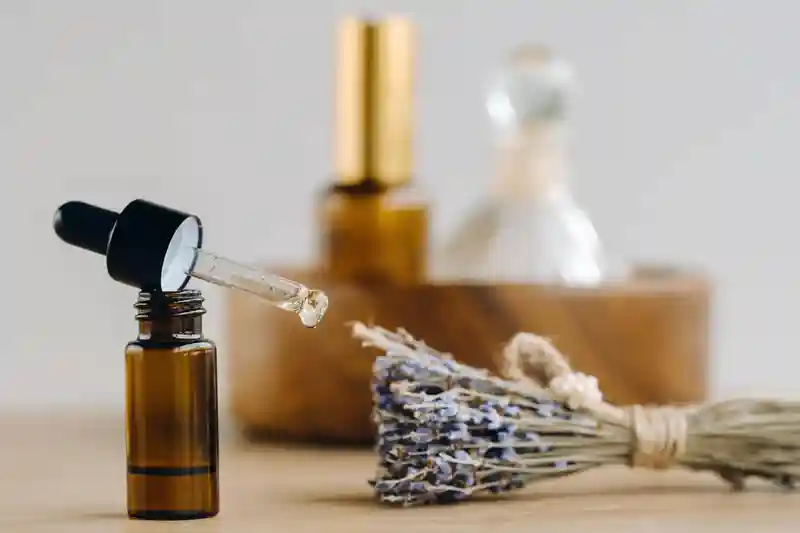
Many people turn to aromatherapy when headaches strike, but simply smelling an oil is rarely enough for consistent relief. Experienced users know that results depend on how and when oils are used. Headaches and migraines are complex. They involve stress, hormones, sleep patterns, and environmental triggers. Essential oils can play a role, but only when used with a clear strategy. This is where most people fall short. They try random oils without understanding how their body responds. A more structured approach can improve outcomes and reduce frustration. Essential oils for headaches are not a cure, but they can become a useful support tool when used correctly.
Understanding headache and migraine triggers at a deeper level.
Headaches and migraines rarely happen without a reason. They often build over time due to stress, dehydration, poor posture, or sensory overload. Migraines go even deeper, involving neurological changes and sensitivity to light, sound, and smell. Recognizing these patterns is the first step toward better management. Essential oils for headaches work best when matched with the actual trigger rather than the symptom alone. For example, stress-driven headaches respond differently compared to hormone related migraines. Paying attention to patterns helps you choose the right oil and apply it at the right time, increasing the chances of real relief rather than temporary comfort.
How essential oils interact with the body
Essential oils affect the body through two main pathways, inhalation and skin absorption. When inhaled, scent molecules travel through the olfactory system and directly influence brain areas linked to mood, stress, and pain perception. This is why certain scents can feel calming or refreshing almost instantly. When applied topically, diluted oils are absorbed into the skin and may improve circulation or reduce muscle tension. This dual effect makes essential oils for headaches more versatile than many people expect. However, responses vary from person to person, which is why consistency and observation are important for effective use.
Choosing the right essential oils for different headache types
Not all headaches respond to the same oils. Tension headaches, often caused by muscle tightness and stress, tend to respond well to oils like peppermint or lavender due to their cooling and calming properties. Migraines, on the other hand, may require a more balanced approach that targets both stress and neurological sensitivity. Selecting the right oil is not about popularity but about matching the oil’s effect with the type of pain. Essential oils for headaches become more effective when you understand these differences and avoid using a one-size-fits-all approach that often leads to inconsistent results.
Application methods and their effectiveness
How you use essential oils matters just as much as which oil you choose. Inhalation provides quick relief and is useful during the early stages of a headache. Topical application, usually on the temples or neck, can help with muscle tension and improve blood flow. The timing is also important. Applying oils at the first sign of discomfort often works better than waiting until the pain becomes severe. Frequency should be controlled to avoid overuse. Essential oils for headaches deliver better results when applied in a consistent and thoughtful way rather than randomly throughout the day.
Building a personalized essential oil strategy
A personalized approach is what separates occasional relief from consistent improvement. Start by identifying your most common triggers, whether they are stress, screen time, lack of sleep, or diet-related. Once you know your triggers, you can select oils that target those specific causes. Keep track of what works and what does not. Adjust your blends and methods over time. Essential oils for headaches are most effective when treated as part of a routine rather than a quick fix. This process may take time, but it leads to better long-term outcomes and fewer trial-and-error moments.
Combining essential oils with other relief techniques
Essential oils work best when combined with other supportive habits. Hydration, proper sleep, and stress management all play a role in reducing headache frequency. Gentle stretching or relaxation techniques can enhance the effects of aromatherapy. This combination approach addresses both the cause and the symptom. Relying only on oils without addressing lifestyle factors often limits their effectiveness. Essential oils for headaches should be seen as one part of a broader strategy that supports overall well-being and reduces the chances of recurring pain.
Common mistakes in using essential oils for headaches
Many people misuse essential oils without realizing it. One common mistake is applying oils directly to the skin without proper dilution, which can irritate the skin. Another issue is overuse, where frequent application reduces effectiveness or leads to sensitivity. Some users also switch oils too quickly, making it hard to identify what actually works. Ignoring the underlying cause of headaches is another major problem. Essential oils for headaches are not meant to replace proper care or diagnosis. Avoiding these mistakes can improve results and make aromatherapy more reliable.
Safety considerations and contraindications
Safety should always come first when using essential oils. Some oils can cause allergic reactions or skin irritation, especially if used in high concentrations. People with certain medical conditions or those who are pregnant should consult a professional before use. Children and sensitive individuals may require milder options. Proper dilution and patch testing reduce the risk of adverse effects. Essential oils for headaches are generally safe when used responsibly, but ignoring safety guidelines can lead to unwanted complications that outweigh any potential benefit.
Evaluating results and tracking improvements
Tracking your results helps you understand whether your approach is working. Keep a simple record of when headaches occur, what triggers were present, and which oils were used. Over time, patterns will become clearer. This allows you to refine your strategy and focus on what delivers the best results. Improvement may not be immediate, but gradual changes are a good sign. Essential oils for headaches require patience and consistency. Without tracking, it is easy to assume something is not working when in reality it just needs adjustment.
Long-term role of essential oils in migraine management
For long-term management, essential oils can be used both preventively and during active headaches. Preventive use may involve daily routines that reduce stress and promote relaxation. Reactive use focuses on quick relief during early symptoms. Combining both approaches creates a balanced system that supports overall health. Essential oils for headaches are not a standalone solution, but they can reduce reliance on other treatments when used correctly. Over time, this can lead to better control and fewer disruptions caused by headaches or migraines.
Conclusion: Practical expectations and realistic outcomes
Essential oils can support headache and migraine relief, but expectations need to be realistic. They are not a cure, and results vary depending on the individual and the method used. The key is consistency, awareness, and a willingness to adjust your approach. When used thoughtfully, essential oils for headaches can reduce discomfort, improve relaxation, and support overall well-being. The real value lies in using them as part of a broader plan that addresses both triggers and symptoms. This balanced approach offers the best chance for meaningful and lasting improvement.
FAQs
1. Do essential oils work instantly for headache relief?
Essential oils can provide quick relief when inhaled, but results vary depending on the cause of the headache. Early use and proper application improve effectiveness more than relying on them during severe pain stages.
2. Which essential oil is most effective for migraines?
There is no single best oil for migraines. Effectiveness depends on triggers and symptoms. Peppermint, lavender, and eucalyptus are commonly used, but personal response plays a key role in choosing the right option.
3. Can essential oils replace medication for headaches?
Essential oils should not replace prescribed medication, especially for chronic migraines. They can support relief and reduce frequency, but medical advice is important for proper diagnosis and treatment planning.
4. How often should essential oils be used for headaches?
Usage depends on the individual and the severity of symptoms. Applying oils at the first sign of discomfort and limiting frequency helps avoid overuse while maintaining effectiveness for consistent relief.
5. Are essential oils safe for daily headache prevention?
Essential oils can be used daily in low, controlled amounts for prevention. Proper dilution and rotation of oils help reduce sensitivity and maintain their effectiveness over time without irritation.