
There is a moment that happens in almost every candle shop, perfume counter, or wellness boutique where you pick up two products that smell remarkably similar and notice that one costs three times as much as the other. One says essential oil blend on the label. The other says fragrance. And somewhere in that moment, you wonder whether the difference is real or whether you are paying a premium for clever marketing wrapped in the language of nature and wellness. That question is more complex and more consequential than it might initially seem, because the difference between essential oils and synthetic fragrances is not just a matter of source or price. It is a matter of chemistry, biological activity, regulatory oversight, individual sensitivity, and a set of health implications that researchers are still actively studying and debating. This is not a simple story where natural is always better or where synthetic is always suspect. It is a genuinely nuanced conversation about what different aromatic compounds do inside the human body, who is most at risk from which exposures, and how to make informed decisions about the fragranced products that most people encounter dozens of times every day without thinking carefully about what they are actually inhaling, absorbing, or reacting to.
The Chemistry Underneath the Scent: What You Are Actually Inhaling
Before any meaningful comparison of essential oils versus synthetic fragrances can happen, it is worth understanding what each of them actually is at the molecular level, because the health effects of any substance are ultimately determined by its chemistry rather than by its origin or its marketing category. Both essential oils and synthetic fragrances are complex chemical mixtures, and both contain compounds that interact with human biology in ways that matter for health.
What Essential Oils Actually Contain and Why It Matters
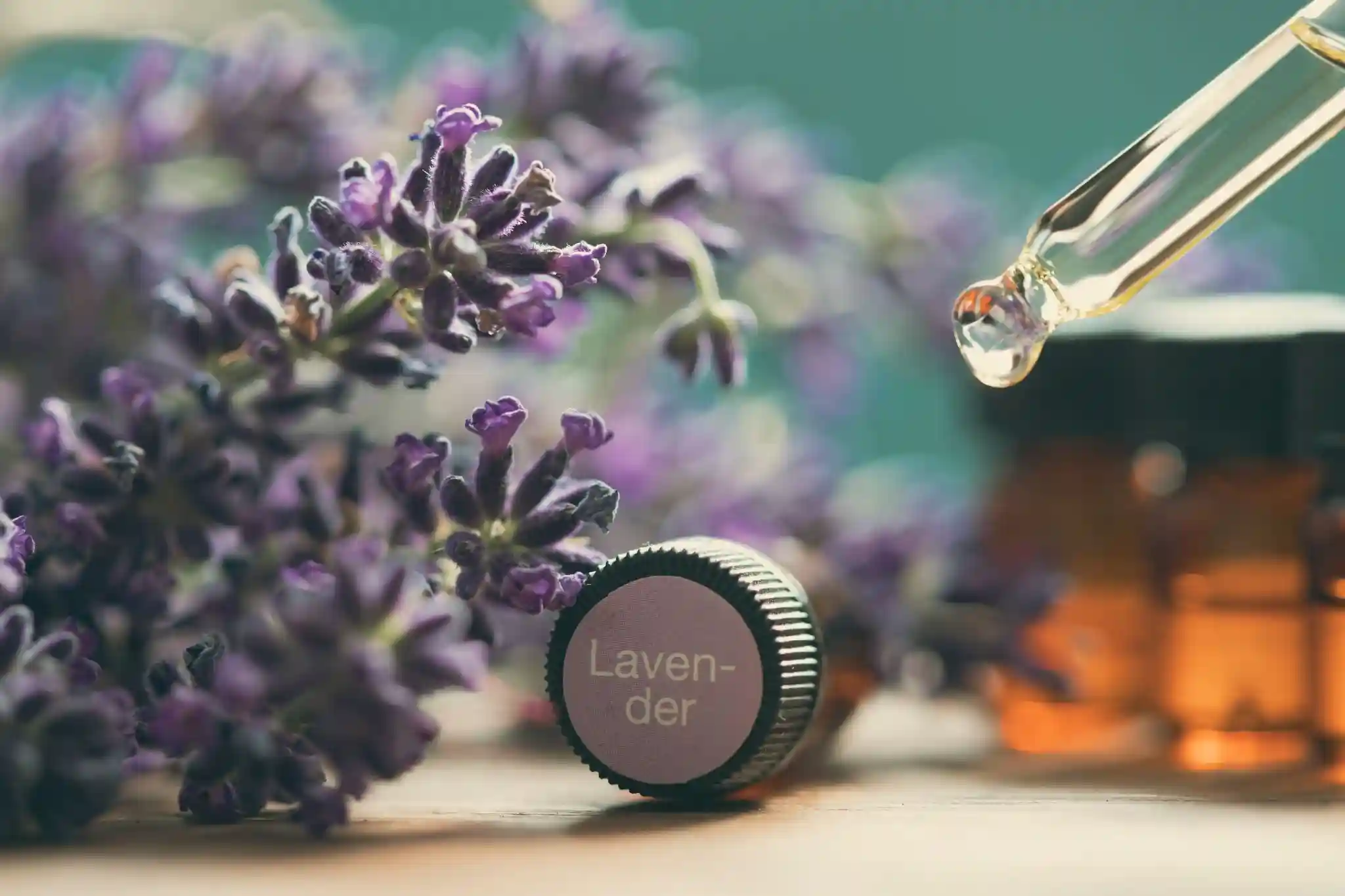
Essential oils are concentrated volatile aromatic compounds extracted from plant material through processes including steam distillation, cold pressing, or solvent extraction. The chemical composition of any given essential oil reflects the full complexity of the plant it came from, which means it typically contains dozens to hundreds of individual chemical compounds including terpenes, terpenoids, phenols, alcohols, esters, aldehydes, and ketones in proportions that vary based on plant species, growing conditions, harvest timing, and extraction method. Lavender essential oil, for example, contains linalool and linalyl acetate as its primary active components, alongside dozens of minor constituents that collectively shape its scent character and biological activity. This chemical complexity is one of the defining characteristics of essential oils that distinguishes them from most synthetic alternatives, and it has implications in both directions for health: the broad range of bioactive compounds in essential oils means they can produce a wider range of physiological effects, some of them beneficial and some of them potentially problematic depending on the individual and the exposure conditions. The same linalool that gives lavender its calming properties is also a known skin sensitizer at certain concentrations in some individuals, and the same limonene that gives citrus oils their bright, clean scent is also a potential allergen and a compound that reacts with ozone in indoor air to form secondary pollutants including formaldehyde and ultrafine particles.
The Chemical Architecture of Synthetic Fragrances
Synthetic fragrances are manufactured aromatic compounds created through chemical synthesis rather than plant extraction, and they range from single-molecule compounds designed to replicate specific natural aromas to complex mixtures of dozens of synthetic chemicals designed to create novel scent profiles that do not exist in nature. The fragrance industry operates under intellectual property conventions that allow fragrance formulas to be protected as trade secrets, which means that products labeled simply as fragrance on their ingredient declarations may contain anywhere from one to several hundred individual chemical compounds without the consumer having any way of knowing what those compounds are. This opacity is one of the most significant health-related concerns surrounding synthetic fragrances and has been the subject of sustained advocacy from environmental health organizations including the Environmental Working Group and the Campaign for Safe Cosmetics. The specific chemicals found in synthetic fragrance mixtures vary enormously depending on the application and manufacturer, but commonly include phthalates used as fixatives to make scent last longer, musks including both nitro musks and polycyclic musks that are used for their base note qualities, benzene derivatives, aldehydes, and various other petrochemical-derived compounds. Some of these have established safety profiles based on decades of use, while others are more recently synthesized compounds whose long-term health effects in real-world exposure conditions are less thoroughly characterized.
How the Body Responds to Aromatic Compounds
The health effects of both essential oils and synthetic fragrances are mediated by the specific ways that aromatic compounds enter the body and interact with biological systems. Understanding these pathways helps explain why the health implications of fragrance exposure are more significant than most people assume and why the essential oils versus synthetic distinction matters in ways that go beyond preference or philosophy.
The Inhalation Pathway and Its Direct Access to the Brain
Inhalation is the primary route of aromatic compound exposure for most people using essential oil diffusers, burning scented candles, wearing perfume or cologne, using air fresheners, or working with cleaning products containing fragrances. When volatile aromatic compounds are inhaled, they travel through the nasal passages where a portion of the molecules interact directly with olfactory receptor neurons that transmit signals to the olfactory bulb, which has direct neurological connections to the limbic system including the amygdala and hippocampus, the brain regions most centrally involved in emotional processing and memory formation. This direct neurological pathway, which bypasses the blood-brain barrier that filters most substances from reaching the brain directly, is the mechanism through which aromatic compounds can produce rapid, powerful emotional and physiological responses that have been observed and documented across cultures and throughout human history. It is also the reason why certain aromatic compounds, both natural and synthetic, can trigger anxiety, headaches, nausea, and mood disturbances in sensitive individuals through mechanisms that are neurologically real rather than merely psychological. Inhaled compounds also reach the lungs, where they can cross the alveolar membrane into the bloodstream and distribute throughout the body, making inhalation not just a sensory experience but a genuine systemic chemical exposure whose magnitude depends on the concentration of the compounds, the duration of exposure, and the ventilation of the space.
Skin Absorption and the Sensitization Process
Aromatic compounds applied to skin through perfumes, lotions, massage oils, and cosmetic products are absorbed transdermally into the bloodstream at rates that vary significantly depending on the specific compound, the concentration, the area of skin exposed, and individual factors including skin condition and age. Beyond systemic absorption, skin exposure to certain aromatic compounds triggers a local immune response that can, over repeated exposures, lead to contact sensitization, a form of allergic response in which the immune system becomes primed to react to a specific compound with increasing intensity on subsequent exposures. Contact sensitization to fragrance compounds is one of the most common forms of allergic contact dermatitis, and the compounds most frequently implicated include both natural essential oil constituents, linalool, limonene, cinnamal, eugenol, and isoeugenol are among the most common sensitizers identified in patch testing populations, and synthetic fragrance compounds including lyral, a synthetic fragrance chemical that has been largely phased out of the European market due to its high sensitization potential. The important and often counterintuitive implication of this sensitization research is that natural origin does not confer inherent skin safety, and some of the most potent contact allergens identified in fragrance research are naturally occurring compounds found in essential oils rather than synthetic inventions.
Health Benefits Associated With Essential Oils: What the Evidence Actually Shows
The wellness industry has generated extraordinary enthusiasm for the therapeutic benefits of essential oils, and separating the claims with genuine scientific support from those that reflect marketing amplification of preliminary or misinterpreted research is an important exercise for anyone trying to make evidence-informed decisions about aromatic products.
The Strongest Evidence for Essential Oil Therapeutic Effects
The most rigorously supported therapeutic applications of essential oils involve effects on mood, stress, and sleep quality, areas where the neurological mechanisms connecting olfactory stimulation to limbic system activity provide a plausible biological basis for the effects observed in clinical studies. Multiple well-designed randomized controlled trials have found that lavender aromatherapy produces measurable reductions in anxiety and improvements in sleep quality in populations including preoperative patients, ICU patients, and individuals with generalized anxiety, with effect sizes that are clinically meaningful even if they do not rival pharmaceutical interventions. Peppermint oil has demonstrated consistent evidence for topical application in the management of tension-type headache in several controlled trials, with efficacy comparable to acetaminophen in some studies, mediated through the cooling and mild analgesic effects of its primary constituent menthol. Tea tree oil has the strongest evidence base of any essential oil for antimicrobial effects, with in vitro studies consistently demonstrating activity against a broad range of bacterial, fungal, and viral pathogens, and clinical studies supporting its efficacy in treating conditions including tinea pedis, mild to moderate acne, and nail fungal infections. These evidence-supported applications share important characteristics: they involve specific oils used at appropriate concentrations for specific, well-defined purposes rather than broad claims about general health enhancement.
Gaps Between Aromatherapy Claims and Scientific Reality
The gap between what the aromatherapy industry claims and what the scientific literature actually supports is significant and worth naming clearly. Claims that essential oils detoxify the body, cure or treat serious diseases, support immune function in ways beyond general wellbeing, or provide equivalent efficacy to pharmaceutical interventions for clinical conditions are not supported by the existing evidence base and in some cases directly contradict what the research shows. This does not mean essential oils have no real health effects. The evidence for specific applications discussed above is genuine. But the culture of therapeutic overclaiming that characterizes significant portions of the essential oil industry, particularly the multi-level marketing companies that have been the dominant distribution channel for essential oils in the consumer market over the past decade, has created a misinformation environment that makes it difficult for consumers to calibrate their expectations accurately. Regulatory agencies including the FDA have repeatedly issued warning letters to essential oil companies making disease treatment claims that are not supported by clinical evidence and that cross into territory legally reserved for pharmaceutical products. Approaching essential oil health claims with the same critical evaluation applied to any health product, asking for the specific evidence supporting the specific claim for the specific application, is the consumer posture that best protects both health and finances.
Health Risks Associated With Synthetic Fragrances: The Evidence Worth Taking Seriously
The health risk profile of synthetic fragrances is a genuinely complex subject that is sometimes overstated by natural product advocates and sometimes understated by the fragrance industry, and understanding it accurately requires engaging with the actual research rather than with either extreme of the advocacy landscape.
Endocrine Disruption, Phthalates, and the Research Behind the Concerns
Phthalates, a class of chemical compounds widely used in synthetic fragrance formulations as fixatives and solvents that help scent adhere to skin and last longer, have been the subject of significant research concern regarding their potential to disrupt endocrine function by interfering with hormone signaling pathways. Laboratory studies have consistently demonstrated that certain phthalates, particularly diethyl phthalate and dibutyl phthalate, exhibit estrogenic and anti-androgenic activity in cellular and animal models, and epidemiological studies in human populations have found associations between urinary phthalate metabolite levels and a range of health outcomes including altered hormone levels, reproductive effects, and developmental outcomes in children exposed in utero. The regulatory response to this research has been uneven across jurisdictions, with the European Union implementing restrictions on certain phthalates in cosmetics and consumer products while the United States has moved more slowly, leaving phthalate-containing fragrance products widely available in the American market. The honest assessment of the phthalate research is that the evidence of harm is strongest in laboratory models and weaker but suggestive in epidemiological studies, meaning that certainty about human health effects at typical consumer exposure levels is not yet established but the precautionary case for avoiding high phthalate exposures, particularly during pregnancy and early childhood, is scientifically reasonable.
Synthetic Musks and Their Persistence in the Body and Environment
Synthetic musks, another major category of compounds used in fragrance formulations to provide base notes and longevity, present a different but related set of health concerns centered on their lipophilicity, their tendency to accumulate in fatty tissue, and their environmental persistence. Polycyclic musks including galaxolide and tonalide have been detected in human breast milk, blood, and fatty tissue in studies conducted across multiple countries, reflecting their capacity for bioaccumulation through repeated daily exposure from personal care products. Nitro musks, an older class that has been largely phased out of most markets due to concerns about carcinogenicity and neurotoxicity, persist in some products and in the environment from historical use. The health significance of musk accumulation in human tissue is not yet fully characterized, as most of the available evidence comes from in vitro toxicology studies and environmental monitoring rather than from direct clinical evidence of harm at human bioaccumulation levels. However, the combination of ubiquitous exposure, demonstrated bioaccumulation, and concerning laboratory toxicology profiles provides a scientifically grounded basis for concern that justifies continued research attention and reasonable consumer caution.
Final Thought
The essential oils versus synthetic fragrances conversation is one that deserves to be held with considerably more nuance and considerably less tribalism than it typically receives in both wellness circles and consumer chemistry communities. Essential oils are not inherently safe because they come from plants. Synthetic fragrances are not inherently dangerous because they come from laboratories. Both categories contain compounds with real biological activity, real sensitization potential, real environmental implications, and real health effects that vary enormously depending on the specific compounds, the concentrations, the application methods, and the individuals involved. What genuinely serves your health in navigating this landscape is not the adoption of a philosophical position about natural versus synthetic but the development of an informed, evidence-grounded relationship with the aromatic products you choose to use, the frequency and concentration of your exposures, and the specific signals your own body sends about what it tolerates well and what it does not. Fragrance is one of the most powerful sensory experiences available to human beings, with deep roots in memory, emotion, culture, and wellbeing. Used thoughtfully and with genuine attention to both the science and your individual response, aromatic products, whether derived from plants or synthesized in a laboratory, can genuinely enhance quality of life. The key is approaching that enhancement with the same intelligent, curious, evidence-respecting attention you would bring to any other health decision that actually matters.