

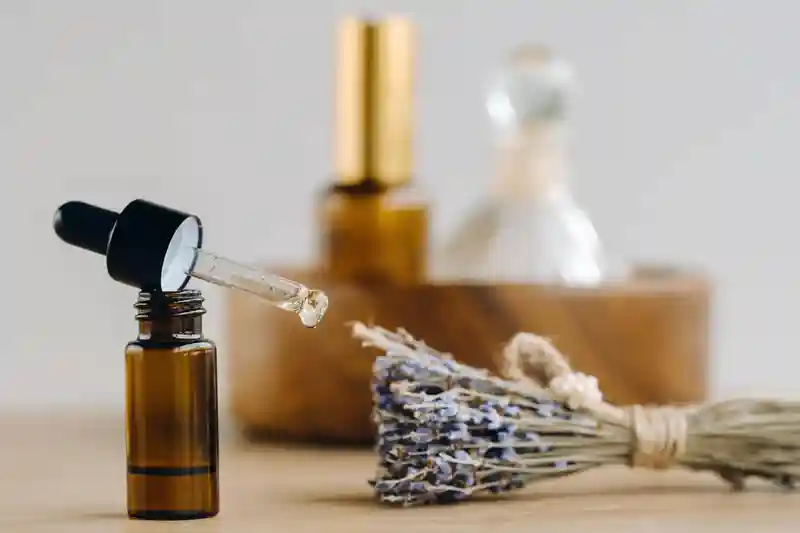
Essential oils are widely used for relaxation, skin care, and general wellness. Many people see them as natural and harmless, but that assumption can be misleading. While they offer benefits, they are also highly concentrated substances that can affect the body in strong ways. Essential oil safety is not just about how to use oils, but also about knowing who should avoid them altogether. For certain groups, even small amounts can cause unwanted reactions or health complications. Understanding these risks helps people make better decisions and avoid problems that are often overlooked.
Why Essential Oil Safety Matters More Than Assumed
Essential oils are extracted from plants, but that does not automatically make them safe for everyone. Their strength is what makes them effective, but it also increases the risk of side effects. Essential oil safety becomes critical when oils are used without proper knowledge or guidance.
In real life, people often use oils based on trends or recommendations from others. This can lead to misuse, especially when individual health conditions are not considered. Some oils can irritate the skin, while others may affect breathing or interact with medications. Essential oil safety requires a more thoughtful approach that considers both the product and the person using it.
People with Sensitive Skin or Allergies
Individuals with sensitive skin are among the first groups who should be cautious. Essential oils can cause irritation, redness, or allergic reactions, even when diluted. This is especially true for oils like cinnamon or citrus-based extracts. Essential oil safety for these individuals means testing products carefully and, in some cases, avoiding them entirely.
Skin reactions are not always immediate. Some people may notice irritation hours after application, which makes it harder to identify the cause. For those with known allergies, the risk is even higher. Essential oil safety involves recognizing these patterns and avoiding products that trigger reactions.
Pregnant and Breastfeeding Individuals
Pregnancy and breastfeeding bring unique sensitivities to the body. Certain essential oils can affect hormone levels or stimulate contractions, which may pose risks. Essential oil safety becomes especially important during this period.
Some oils are considered safer than others, but even then, usage should be limited and guided by a healthcare professional. The body’s response during pregnancy can be unpredictable. Essential oil safety in this context is about minimizing exposure and avoiding unnecessary risks.
Infants and Young Children
Young children have more delicate systems, making them more vulnerable to strong substances. Essential oils can affect the skin, breathing, and overall health. Essential oil safety guidelines often recommend avoiding most oils for infants.
Even diffusing oils in a room can impact a child’s respiratory system. Their smaller body size means they absorb substances more quickly. Essential oil safety for children requires extra caution and, in many cases, complete avoidance unless advised by a professional.
Individuals with Respiratory Conditions
People with asthma or other respiratory conditions need to be careful with essential oils. Strong scents can trigger breathing difficulties or worsen symptoms. Essential oil safety for this group involves avoiding oils that may irritate the airways.
Diffusers are commonly used for aromatherapy, but they can spread particles into the air that affect sensitive individuals. Essential oil safety means understanding how these particles interact with the body. For some people, even mild exposure can lead to discomfort or health issues.
People Taking Medications
Essential oils can interact with certain medications, affecting how they work in the body. This is an often-overlooked aspect of essential oil safety. Some oils may increase or decrease the effectiveness of drugs, leading to unexpected outcomes.
For example, oils that affect liver enzymes can change how medications are processed. This can result in stronger side effects or reduced benefits. Essential oil safety requires checking for potential interactions and consulting a professional when needed.
Individuals with Chronic Health Conditions
Chronic conditions such as heart disease, diabetes, or epilepsy can make the body more sensitive to external substances. Essential oils may influence these conditions in ways that are not always predictable. Essential oil safety for these individuals involves careful evaluation and, in some cases, complete avoidance.
Some oils may affect blood pressure or blood sugar levels. Others may trigger neurological responses. Essential oil safety is about understanding these risks and avoiding unnecessary exposure that could worsen existing conditions.
Pets and Household Exposure Risks
Essential oils do not only affect humans. Pets can also be sensitive to these substances, especially when oils are diffused in shared spaces. Essential oil safety extends to the entire household.
Animals have different metabolic systems, which means they may not process oils in the same way humans do. This can lead to toxicity even with small amounts. Essential oil safety includes being aware of how products affect everyone in the environment, not just the primary user.
Common Misuse That Increases Risk
Many problems with essential oils come from improper use rather than the oils themselves. Misuse can increase the risk for all groups, especially those already vulnerable. Essential oil safety involves avoiding common mistakes such as overuse or improper application.
Applying undiluted oils directly to the skin without testing first
Using excessive amounts in diffusers or enclosed spaces
Following unverified advice from online sources without professional input
These practices can lead to irritation, breathing issues, or other health concerns. Essential oil safety improves when users follow proper guidelines and remain cautious.
How to Decide If You Should Avoid Essential Oils
Deciding whether to use essential oils depends on personal health factors. There is no single answer that applies to everyone. Essential oil safety involves assessing your own situation and understanding potential risks.
If you have a medical condition, take medication, or belong to a sensitive group, it is wise to proceed carefully. Consulting a healthcare professional can provide clarity. Essential oil safety is about making informed choices rather than following general trends.
Expert Advice for Safer Alternatives
For those who should avoid essential oils, there are other ways to achieve similar benefits. Experts often recommend safer alternatives that do not carry the same risks. Essential oil safety does not mean giving up on wellness practices entirely.
Simple options like herbal teas, proper ventilation, or gentle skincare products can offer similar effects without strong exposure. Essential oil safety is about finding what works best for your body while minimizing risk.
Long-Term Perspective on Essential Oil Use
Using essential oils responsibly requires a long-term mindset. Short-term benefits should not outweigh potential risks. Essential oil safety is about consistency and awareness over time.
People often start using oils without considering how repeated exposure may affect them. Over time, sensitivity can develop even if there were no initial reactions. Essential oil safety involves monitoring your response and adjusting usage as needed.
Conclusion
Essential oils can be helpful, but they are not suitable for everyone. Certain groups face higher risks and should approach them with caution or avoid them altogether. Essential oil safety is about understanding these risks and making thoughtful decisions.
By recognizing who should avoid essential oils and why, you can prevent unnecessary health issues. The goal is not to avoid them out of fear, but to use them wisely and responsibly. With the right knowledge, you can choose what works best for your health and well-being.
FAQs
1. Are essential oils safe for everyone to use?
No, essential oils are not safe for everyone. Certain groups, such as pregnant individuals, children, and people with medical conditions, may face higher risks. Essential oil safety depends on personal health factors and proper usage guidelines.
2. Can essential oils cause allergic reactions?
Yes, essential oils can cause allergic reactions, especially in people with sensitive skin. Symptoms may include redness, itching, or irritation. Essential oil safety involves patch testing and avoiding oils that trigger negative responses.
3. Should children be exposed to essential oils?
Children, especially infants, should have limited exposure to essential oils. Their bodies are more sensitive, and strong substances can affect them more easily. Essential oil safety recommends avoiding most oils unless advised by a professional.
4. Do essential oils interact with medications?
Yes, some essential oils can interact with medications and affect how they work. This can lead to stronger side effects or reduced effectiveness. Essential oil safety includes checking for interactions before use.
5. What is the safest way to use essential oils?
The safest way is to use essential oils in small amounts, properly diluted, and with awareness of personal health conditions. Essential oil safety also includes consulting professionals when unsure and avoiding overuse.