
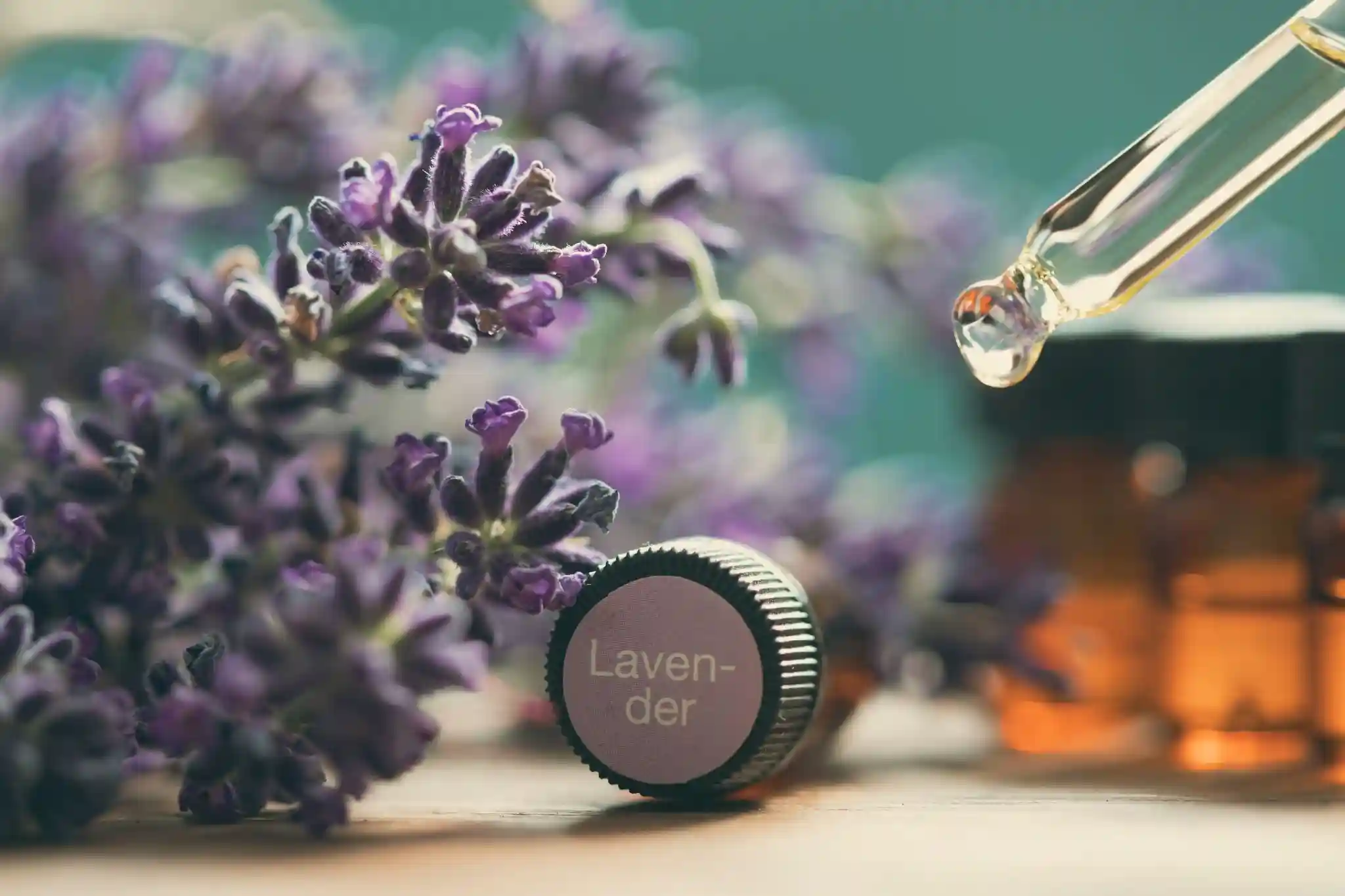
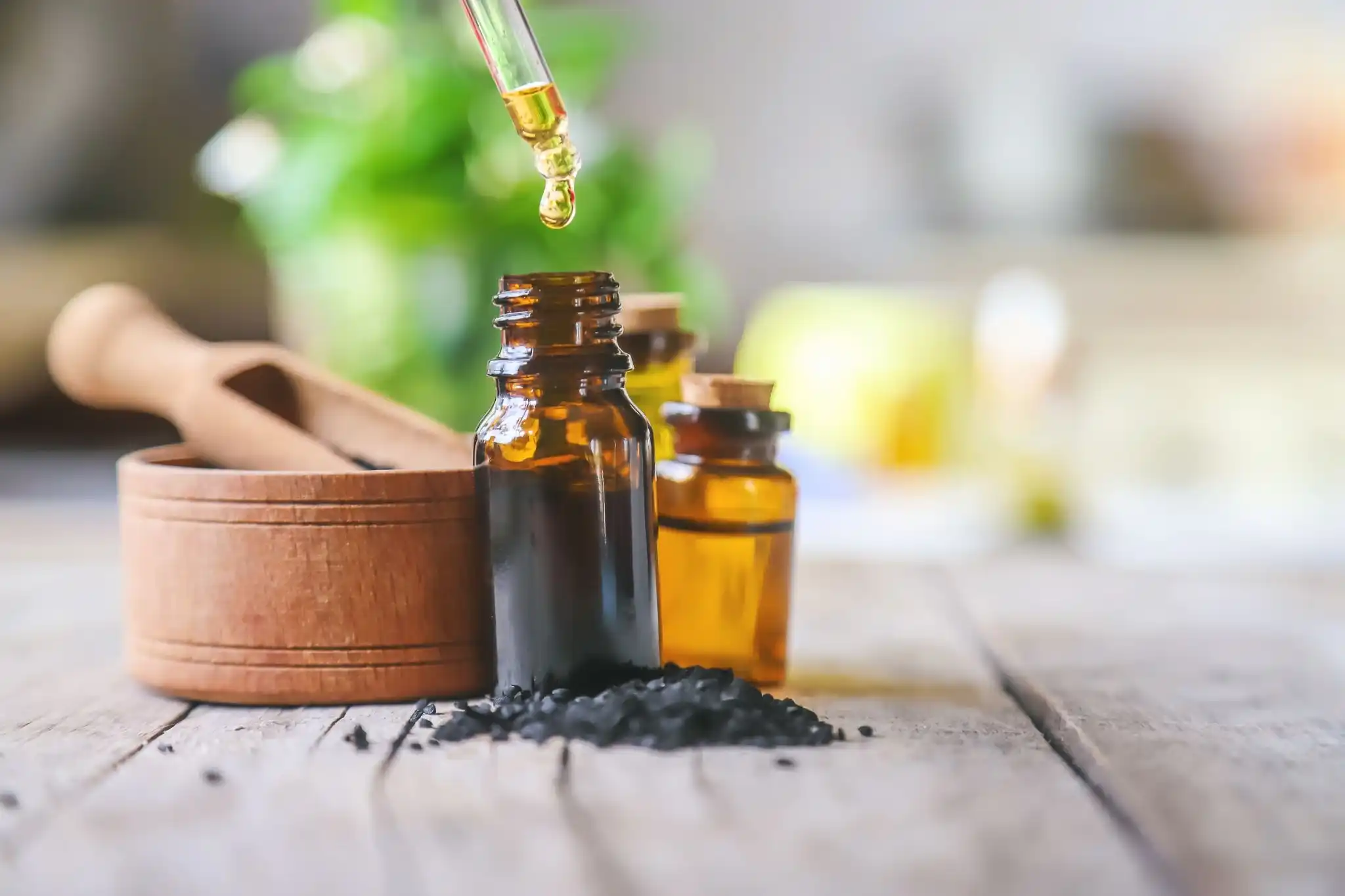
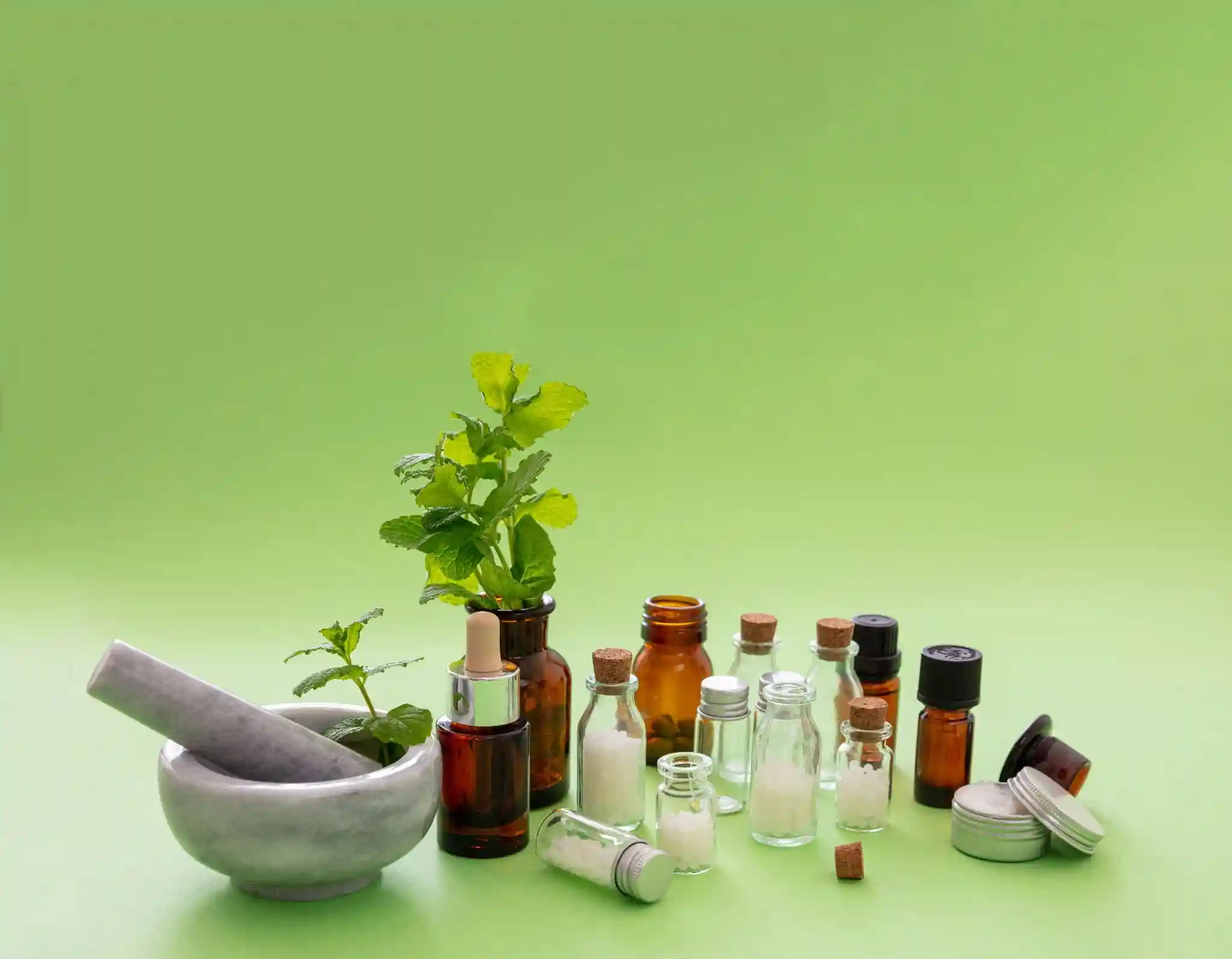
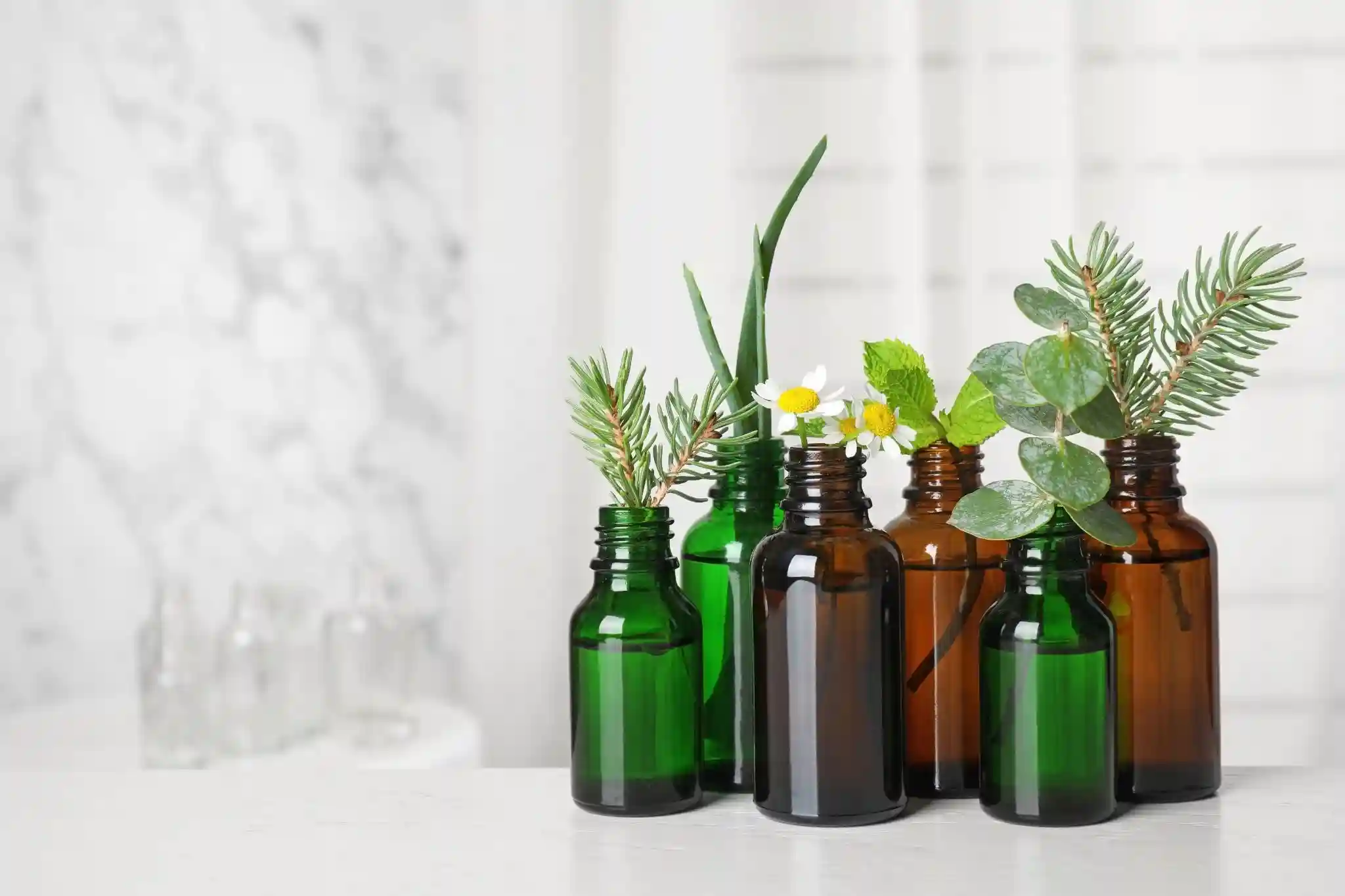
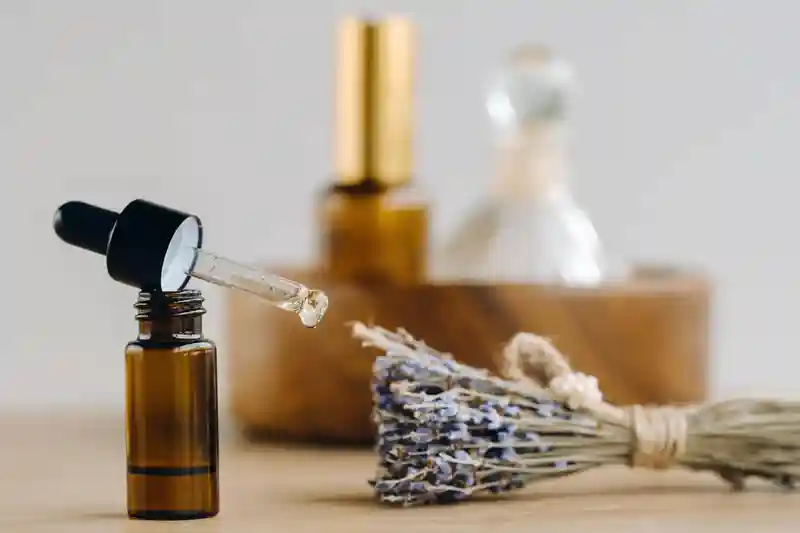
Essential oils at home are widely used in modern wellness routines for their natural aroma and calming atmosphere. They are highly concentrated plant extracts obtained through distillation or cold pressing. These oils are not medical treatments, but they are commonly used in aromatherapy to support relaxation, freshness, and mood balance in indoor spaces. Because they are so concentrated, even a few drops are enough for most uses. Safe handling and proper dilution are essential to avoid irritation or overuse. Understanding how they work helps you use them more effectively in everyday home environments.
Choosing the Right Essential Oils for Different Home Needs
Different essential oils serve different purposes, and choosing the right one depends on your goal. For relaxation and stress relief, lavender, chamomile, and sandalwood are commonly used. For cleaning and air freshness, tea tree, lemon, and eucalyptus are popular due to their strong natural scent. For energy and focus, peppermint, rosemary, and citrus oils are often preferred in work or study spaces. Matching the oil to the purpose makes essential oils at home more effective and purposeful instead of random use.
Aromatic Diffusion Methods for Everyday Use
Diffusion is one of the most common ways to use essential oils at home because it spreads scent evenly in a room. Ultrasonic diffusers are widely used since they combine water and vibration to release a light mist of aroma. Reed diffusers and cotton pads are simpler options for smaller areas like bathrooms or closets. Timing matters because continuous diffusion can become overwhelming. Short sessions of 30 to 60 minutes are usually enough to maintain a pleasant environment without overexposure.
Topical Application Methods for Essential Oils at Home
Essential oils can also be used on the skin, but they must always be diluted with carrier oils like coconut, jojoba, or almond oil. A few drops mixed into a teaspoon of carrier oil is usually enough. This reduces the risk of irritation and makes application safer. Diluted oils can be used for gentle massage to support relaxation or muscle comfort. Some people also apply small amounts to pulse points like wrists or temples for personal aromatherapy throughout the day, but moderation is always important.
Natural Cleaning Solutions Using Essential Oils
Essential oils at home are often used in DIY cleaning routines. Lemon, tea tree, and eucalyptus oils are commonly added to vinegar or baking soda-based mixtures for surface cleaning. These blends help freshen indoor spaces and reduce unwanted odors. They are especially useful in kitchens and bathrooms where cleanliness and scent matter most. However, essential oils should be seen as a supplement for light cleaning rather than a replacement for strong disinfectants in high-risk situations.
Enhancing Sleep Quality with Essential Oils at Home
Essential oils are widely used to support better sleep routines. Lavender is one of the most common oils used for this purpose. Pillow sprays made with diluted essential oils can create a calming bedtime environment. Diffusing oils for a short period before sleep also helps signal the body to relax. Blends with lavender, chamomile, and cedarwood are often used in evening routines. It is best to avoid running diffusers all night and instead use them before bedtime for a calming transition.
Improving Focus and Productivity with Aromatherapy
Essential oils at home can also support focus during work or study. Peppermint and rosemary are often used to create a more alert and refreshed atmosphere. Citrus oils can also improve mood and mental clarity during long tasks. The key is controlled use. Strong or continuous scents can become distracting, so short diffusion sessions during focused work periods are more effective. This makes aromatherapy a supportive tool rather than a distraction in productivity spaces.
Seasonal Uses of Essential Oils in the Home
Essential oils can be adjusted based on seasons to create a more comfortable home environment. In summer, cooling oils like peppermint and eucalyptus are commonly used to create a fresh feeling indoors. In winter, warm scents like cinnamon, clove, and orange help create a cozy atmosphere. Seasonal blending helps align your home environment with natural changes, improving comfort and mood throughout the year without major changes to your routine.
Safe Use Guidelines and Common Mistakes
Safety is a key part of using essential oils at home. Overuse is one of the most common mistakes, as too many drops or long diffusion times can cause discomfort. Improper storage can also reduce oil quality, so they should be kept in cool, dark places. Extra care is needed in homes with children or pets because some oils may not be suitable for them. Dilution is always necessary for skin application to prevent irritation or sensitivity reactions.
DIY Essential Oil Blends for Beginners
Simple blends are a great way to start using essential oils at home. For relaxation, lavender and chamomile create a calming effect. For energy, peppermint and citrus oils work well in the morning. For cleaning, lemon, tea tree, and eucalyptus form a versatile household blend. These combinations allow beginners to experiment safely while understanding how different scents interact in real home environments.
Integrating Essential Oils Into Daily Home Routines
Consistency is more effective than occasional use. Essential oils at home work best when integrated into daily habits. For example, energizing blends can be used in the morning, while calming oils can be used in the evening. Cleaning routines can also include essential oils for added freshness. Over time, these small habits create a natural and consistent aromatherapy lifestyle that supports both mood and environment.
Advanced Aromatherapy Techniques for Home Users
More experienced users often experiment with layering scents to create more complex aromas. Essential oils can also be used in baths when properly diluted with carrier oils or bath salts. Some humidifiers are compatible with essential oils, but not all devices are designed for this use, so caution is needed. Advanced techniques focus on personalization, allowing users to create customized home environments based on mood and preference.
Final Thoughts
Essential oils at home are most effective when used with balance, consistency, and awareness. They can support relaxation, focus, cleaning, and overall home comfort, but they are not meant for excessive or careless use. Choosing the right oils, using proper dilution, and applying them in short controlled sessions ensures better results. When integrated thoughtfully into daily routines, essential oils become a simple and effective way to enhance home environments naturally.