

Herbal tea has been used for centuries as a natural way to support overall health and well-being. In modern wellness culture, it is often described as a Herbal Tea Immune Booster, reflecting its reputation for helping the body maintain balance and resilience. While it is not a medical cure, herbal tea is widely valued for its combination of plant compounds that may support immune function, reduce stress, and promote internal harmony. Understanding how it works helps set realistic expectations and encourages smarter use in daily life.
How Herbal Tea Became a Traditional Approach to Immune Wellness
Herbal tea has deep roots in traditional healing systems such as Ayurveda, Traditional Chinese Medicine, and indigenous herbal practices around the world. These systems used plants not only for flavor but also for their perceived healing properties.
Over time, herbs like ginger, chamomile, peppermint, and echinacea became part of daily wellness routines. They were used to support digestion, reduce fever, calm the mind, and strengthen the body during seasonal changes.
In modern wellness culture, these traditional practices have been reframed through the lens of science and nutrition. The idea of a Herbal Tea Immune Booster has gained popularity as people look for natural ways to support their immune systems without relying solely on synthetic supplements.
Today, herbal tea is seen less as a treatment and more as a preventive lifestyle habit. It fits into a broader movement toward natural wellness, mindfulness, and functional nutrition.
Key Bioactive Compounds That Support Immune Function in Herbal Tea
The potential immune-supporting effects of herbal tea come from naturally occurring plant compounds. These bioactive substances interact with the body in different ways, contributing to overall health balance.
Antioxidants and Their Role in Cellular Protection
One of the most important components in herbal tea is antioxidants. These compounds help protect the body’s cells from oxidative stress caused by free radicals.
Oxidative stress is linked to fatigue, inflammation, and weakened immune response. By neutralizing free radicals, antioxidants may help support the body’s natural defense systems.
Many herbal teas, especially green tea and chamomile, are rich in polyphenols that contribute to this protective effect.
Anti-Inflammatory Plant Compounds
Chronic inflammation can weaken immune function over time. Some herbal teas contain natural anti-inflammatory compounds that may help the body maintain balance.
For example, ginger contains gingerol, a compound known for its soothing effects. Turmeric-based teas contain curcumin, which is widely studied for its anti-inflammatory properties.
By helping regulate inflammation, these teas may indirectly support immune health.
Essential Oils and Natural Antimicrobial Properties
Many herbs used in tea contain essential oils that have natural antimicrobial properties. These compounds may help the body defend itself against harmful microorganisms.
For instance, peppermint and thyme contain volatile oils that have been traditionally associated with respiratory and digestive support.
While not a replacement for medical treatment, these properties contribute to the reputation of herbal tea as a Herbal Tea Immune Booster.
Most Common Herbal Teas Known for Immune Support Benefits
Different herbal teas offer different benefits, depending on their plant composition and active compounds.
Ginger tea is one of the most widely used options. It is known for its warming effect and digestive support, which indirectly helps overall immunity by supporting gut health.
Chamomile tea is often consumed for relaxation. Since stress can negatively affect immune function, chamomile’s calming effects may play an indirect role in immune balance.
Green tea is rich in catechins, particularly EGCG, which has been studied for its antioxidant properties and potential immune support.
Echinacea-based teas are commonly used during seasonal changes. They are often associated with short-term immune system stimulation, although results can vary.
Each of these teas contributes differently, but they all support the broader concept of herbal tea as a wellness-enhancing beverage.
How Herbal Tea Supports the Immune System Holistically
Herbal tea does not act on the immune system in isolation. Instead, its effects are often indirect and interconnected with other body systems.
Connection Between Digestion and Immunity
A large portion of the immune system is linked to gut health. The digestive system plays a key role in nutrient absorption and microbial balance.
Herbal teas such as peppermint, ginger, and fennel can support digestion by reducing bloating and improving gut comfort. A healthier digestive system can contribute to a more balanced immune response.
This gut-immune connection is one reason herbal tea is often associated with overall wellness rather than a single health outcome.
Stress Reduction and Immune Regulation
Chronic stress is known to weaken immune function over time. High stress levels can disrupt hormonal balance and reduce the body’s ability to respond effectively to illness.
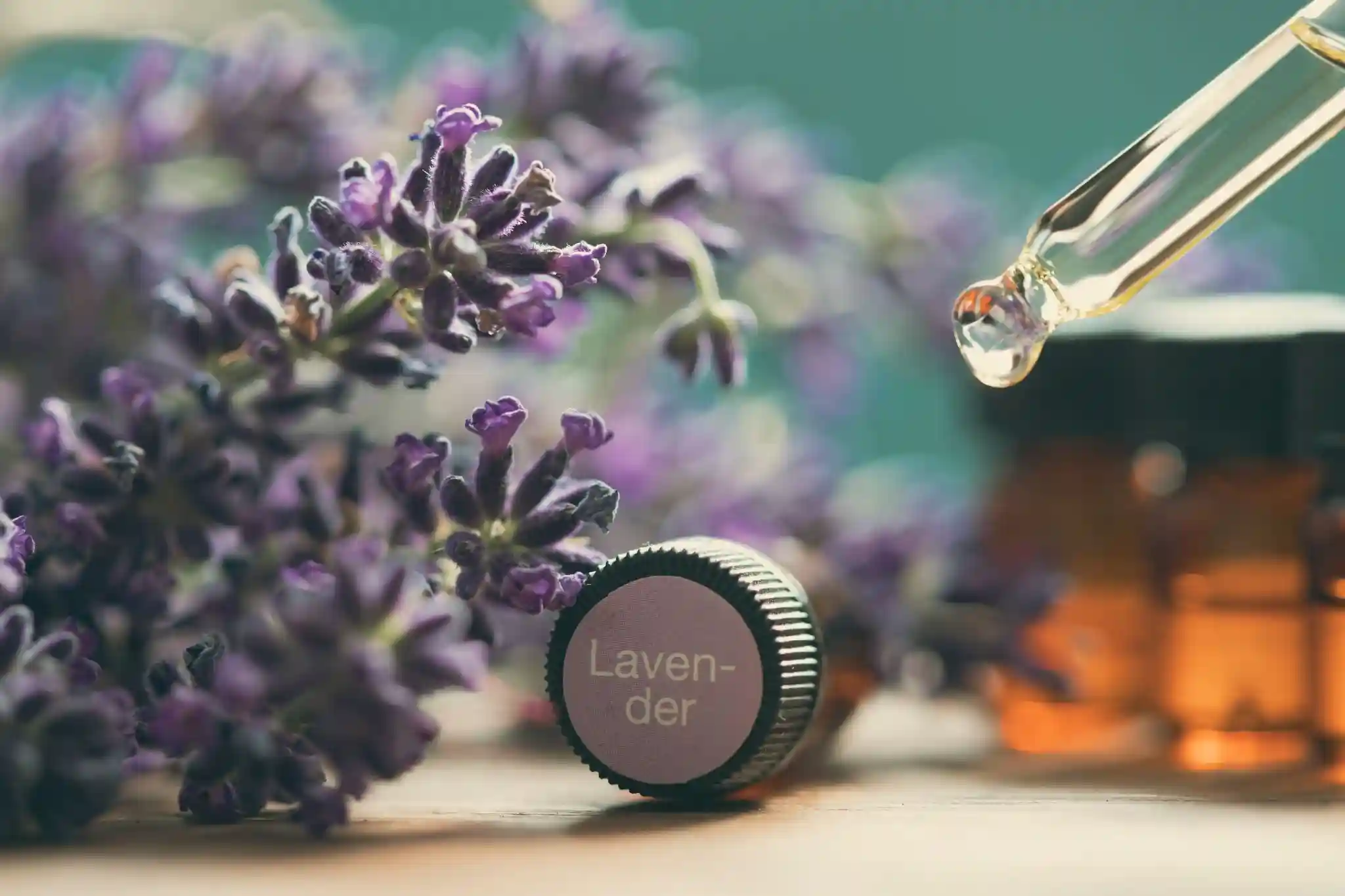
Herbal teas like chamomile, lavender, and lemon balm are commonly used to promote relaxation. By supporting calmness and better sleep, they may indirectly help the immune system function more efficiently.
This makes emotional well-being an important part of the Herbal Tea Immune Booster concept.
Factors That Influence the Effectiveness of Herbal Tea Immune Booster Benefits
Not all herbal tea experiences are the same. Several factors influence how effective they may be for individual wellness support.
The quality of herbs is one of the most important factors. Fresh, high-quality ingredients typically contain higher levels of beneficial compounds compared to low-grade blends.
Brewing time and temperature also matter. Overheating or under-steeping can reduce the concentration of active ingredients in the tea.
Consistency plays a role as well. Herbal tea is most effective as part of a regular routine rather than an occasional remedy.
Individual health conditions, diet, and lifestyle also influence results. Herbal tea works best when combined with other healthy habits rather than used in isolation.
Limitations and Misconceptions About Herbal Tea as an Immune Booster
While herbal tea offers many potential benefits, it is important to understand its limitations. It should not be viewed as a medical treatment or cure for illness.
One common misconception is that herbal tea can instantly prevent or treat infections. In reality, its effects are supportive rather than therapeutic.
Another misunderstanding is overestimating its strength. Herbal compounds are generally mild compared to pharmaceutical interventions.
It is also important to remember that herbal tea works best as part of a balanced lifestyle. Nutrition, sleep, exercise, and stress management all play major roles in immune health.
How to Incorporate Herbal Tea Into a Daily Wellness Routine
Integrating herbal tea into daily life can be simple and effective when done thoughtfully.
Many people prefer drinking herbal tea in the morning to support digestion and hydration. Others use it in the evening as part of a relaxation routine.
Combining different herbs can also create targeted benefits. For example, ginger and lemon can be used for digestion, while chamomile and lavender are better suited for relaxation.
Herbal tea should be paired with other healthy habits such as balanced nutrition and regular hydration. This combination enhances its overall wellness impact.
Building a consistent routine is more important than consuming large quantities occasionally.
Modern Research Perspectives on Herbal Tea and Immunity
Scientific research on herbal tea is ongoing. Many studies suggest that plant compounds found in herbal teas may have antioxidant, anti-inflammatory, and antimicrobial properties.
However, research is still developing in many areas. Not all claims about herbal tea are fully proven in large-scale clinical studies.
Despite this, there is strong alignment between traditional knowledge and modern findings. Many of the benefits observed in traditional medicine are being explored and partially validated by scientific research.
This growing body of evidence supports the idea that herbal tea can be a valuable part of a wellness-focused lifestyle.
Conclusion
Herbal tea is widely considered a Herbal Tea Immune Booster because of its natural plant compounds, antioxidant content, and calming effects. While it does not replace medical treatment, it offers supportive benefits that contribute to overall wellness.
Its value lies in its holistic impact on the body, including digestion, stress regulation, and hydration. These factors indirectly support immune function over time.
The most effective approach is to view herbal tea as part of a broader healthy lifestyle rather than a standalone solution. When used consistently and mindfully, it can be a simple yet meaningful addition to daily wellness habits.