
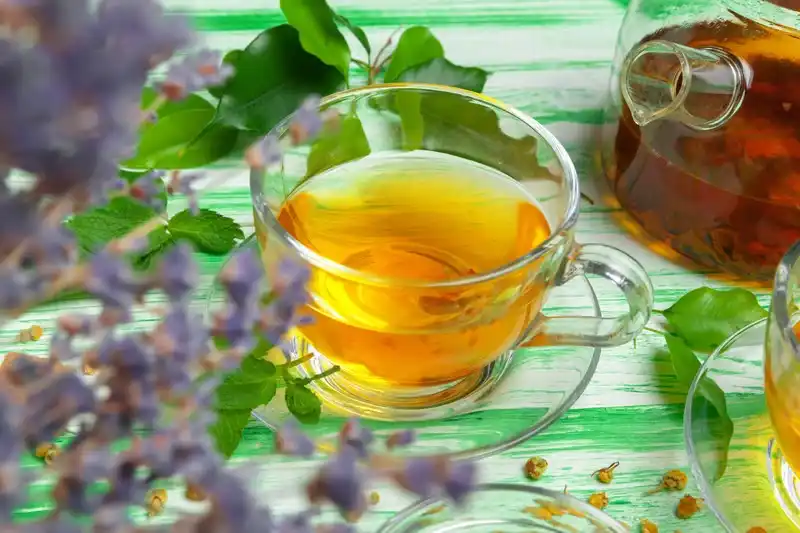
In today’s fast-paced world, stress has become a common part of life. The pressures of work, relationships, and personal commitments can weigh heavily on our minds and bodies. Finding effective ways to manage stress is crucial for maintaining overall well-being. One natural remedy that has gained popularity is herbal tea. Many people turn to herbal teas for stress relief, seeking the calming effects of various blends.
Herbal teas have been used for centuries to promote relaxation and reduce anxiety. They offer a simple yet effective way to unwind after a long day. In this article, we will explore some of the most effective herbal teas for stress and how they can benefit your mental health. Additionally, we’ll discuss how to make the most of these teas to enhance their calming properties.
The Science Behind Herbal Teas for Stress Relief
Herbal teas are made from the leaves, flowers, roots, or seeds of plants. Unlike traditional teas, which come from the Camellia sinensis plant, herbal teas are caffeine-free and often contain a variety of beneficial compounds. Many herbs used in teas have been studied for their potential effects on stress and anxiety.
The calming effects of herbal teas can be attributed to several factors. First, the act of drinking tea itself can be a relaxing ritual. The warmth of the tea and the time spent preparing it can create a moment of mindfulness. Additionally, many herbs contain compounds that can help soothe the nervous system, reduce inflammation, and promote relaxation.
For example, studies have shown that certain herbs can lower cortisol levels, the hormone associated with stress. Others may enhance the production of serotonin, a neurotransmitter that contributes to feelings of well-being. By incorporating herbal teas into your routine, you can harness these benefits and create a calming daily ritual.
Effective Herbal Teas for Stress Relief
1. Chamomile Tea
Chamomile is one of the most well-known herbal teas for stress relief. This gentle flower has been used for centuries to promote relaxation and improve sleep quality. Chamomile contains antioxidants and compounds that can help reduce anxiety and promote a sense of calm.
Drinking chamomile tea before bedtime can be especially beneficial. Its sedative properties may help you unwind and prepare for a restful night’s sleep. To enjoy the full benefits, steep dried chamomile flowers in hot water for about five minutes. You can enhance the flavor with a drizzle of honey or a slice of lemon.
2. Lavender Tea
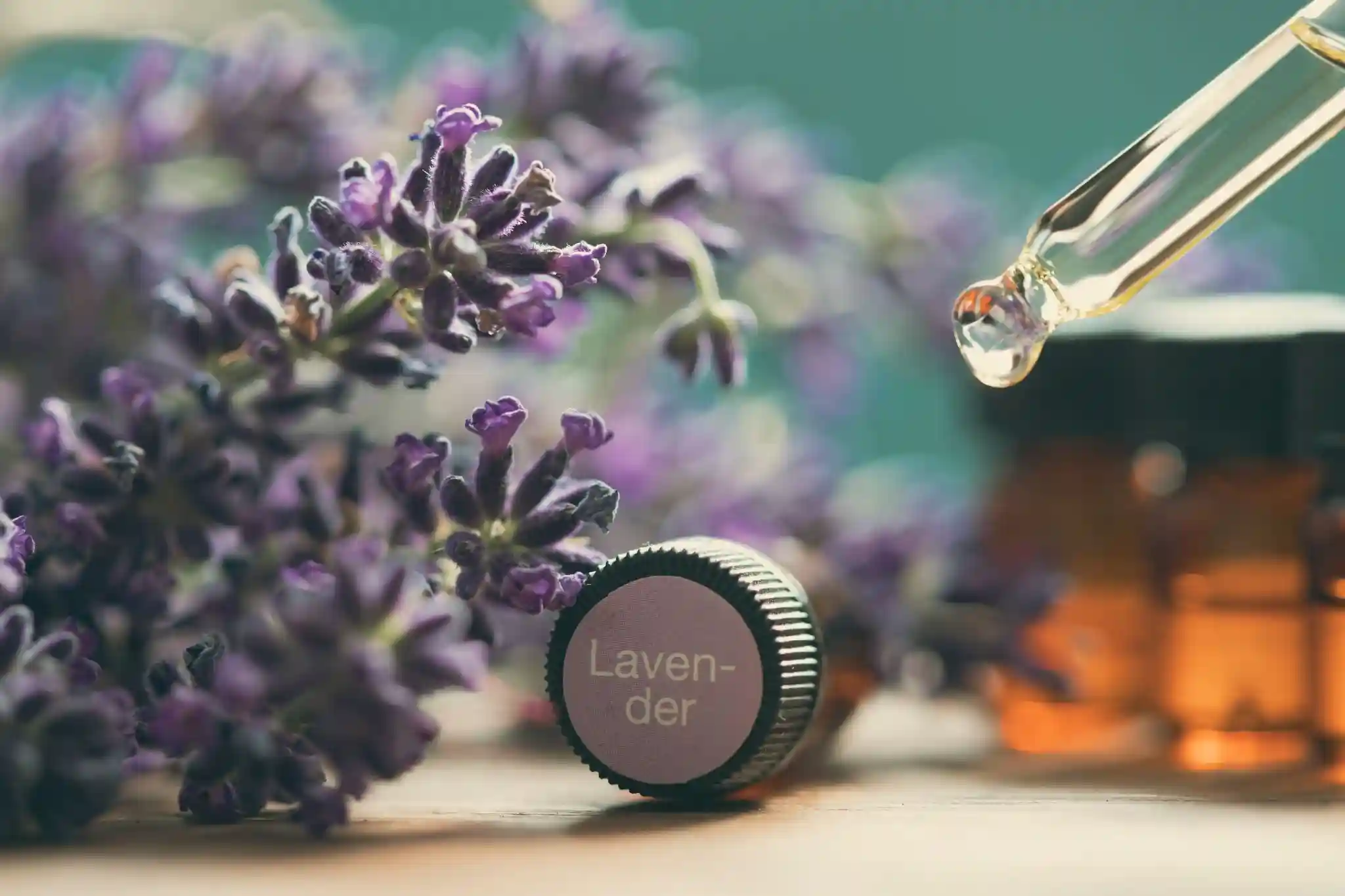
Lavender is famous for its soothing aroma, but it also makes a delightful herbal tea. Lavender tea is known for its calming effects and can help reduce stress and anxiety. The scent of lavender has been shown to lower heart rate and blood pressure, making it an excellent choice for relaxation.
To prepare lavender tea, use dried lavender buds and steep them in hot water for about ten minutes. You can enjoy it on its own or blend it with other calming herbs like chamomile for added benefits. Lavender tea can be especially helpful during stressful situations, providing a moment of tranquility.
3. Lemon Balm Tea
Lemon balm, a member of the mint family, is another effective herbal tea for stress relief. This herb has a refreshing lemon scent and is known for its calming properties. Studies suggest that lemon balm can help reduce anxiety and improve mood, making it a great option for those dealing with stress.
To make lemon balm tea, steep fresh or dried leaves in hot water for five to ten minutes. You can also combine it with other calming herbs like chamomile or passionflower for a soothing blend. Enjoying lemon balm tea in the afternoon can be a great way to recharge and alleviate stress.
4. Passionflower Tea
Passionflower is a lesser-known herb that has been used for centuries to treat anxiety and insomnia. It is believed to increase levels of gamma-aminobutyric acid (GABA), a neurotransmitter that helps calm the nervous system. Drinking passionflower tea can help promote relaxation and reduce feelings of stress.
To prepare passionflower tea, steep dried leaves and flowers in hot water for about ten minutes. This tea has a slightly sweet and floral flavor, making it a pleasant choice for stress relief. You may find it beneficial to drink passionflower tea in the evening to help wind down after a hectic day.
5. Ashwagandha Tea
Ashwagandha is an adaptogenic herb that has gained popularity for its stress-relieving properties. This herb helps the body adapt to stress and supports overall mental health. Research has shown that ashwagandha can lower cortisol levels and improve resilience to stress.
To make ashwagandha tea, use powdered root and steep it in hot water. This tea has a slightly earthy flavor and can be combined with honey or ginger for added taste. Drinking ashwagandha tea regularly can help you manage stress and promote a sense of calm.
6. Green Tea
While green tea is technically not an herbal tea, it deserves a mention for its stress-relieving properties. Green tea contains L-theanine, an amino acid known for its calming effects. This compound can help improve focus while promoting relaxation.
Enjoying a cup of green tea during a busy day can provide a moment of calm amidst chaos. Steep green tea leaves in hot water for a few minutes, and savor the mild flavor. You can also try matcha, a powdered form of green tea that offers a concentrated dose of L-theanine.
7. Holy Basil Tea
Holy basil, also known as tulsi, is revered in Ayurvedic medicine for its adaptogenic properties. This herb helps the body cope with stress and promotes mental clarity. Drinking holy basil tea can help reduce anxiety and enhance overall well-being.
To make holy basil tea, steep fresh or dried leaves in hot water for about ten minutes. This tea has a spicy and aromatic flavor that can be enjoyed on its own or blended with other herbs. Regular consumption of holy basil tea may help you navigate stressful situations with greater ease.
8. Valerian Root Tea
Valerian root is commonly used as a natural remedy for anxiety and insomnia. It is known for its sedative properties and can help promote relaxation. Drinking valerian root tea may be especially beneficial for those struggling with stress-related sleep issues.
To prepare valerian root tea, steep dried root in hot water for about ten minutes. This tea has a strong, earthy flavor that may take some getting used to. Consider adding honey or lemon to improve the taste. Valerian root tea is best enjoyed in the evening to prepare for restful sleep.
9. Rooibos Tea
Rooibos is a caffeine-free herbal tea that is rich in antioxidants. This South African herb has calming properties and can help reduce stress and anxiety. Rooibos tea is naturally sweet and has a smooth flavor, making it an enjoyable option for relaxation.
To make rooibos tea, steep the leaves in hot water for five to ten minutes. You can enjoy it plain or add a splash of milk or a slice of lemon. Drinking rooibos tea in the afternoon or evening can help create a calming routine.
10. Catnip Tea
Catnip is often associated with playful cats, but it also has calming effects on humans. Drinking catnip tea can help reduce anxiety and promote relaxation. This herb has a mild flavor and can be enjoyed as part of your stress-relief routine.
To prepare catnip tea, steep dried leaves in hot water for about ten minutes. The tea has a slightly minty flavor and can be enjoyed on its own or blended with other herbs. Drinking catnip tea before bedtime can help soothe your mind and prepare you for sleep.
Practical Suggestions for Incorporating Herbal Teas into Your Routine
Create a Relaxing Ritual
Incorporating herbal teas into your daily routine can be a powerful way to manage stress. Consider creating a relaxing ritual around tea time. Set aside a few minutes each day to prepare and enjoy your tea. Use this time to unwind and focus on the present moment.
Experiment with Blends
Don’t hesitate to experiment with different herbal tea blends. Combining various herbs can enhance their calming effects and create unique flavors. For instance, try blending chamomile and lavender for a soothing evening tea. Exploring different combinations can make the process exciting and enjoyable.
Mindfulness While Brewing
Use the time spent brewing tea as a moment for mindfulness. Pay attention to the scent of the herbs, the sound of the water boiling, and the colors of the tea as it steeps. Engaging your senses can help ground you and create a sense of calm before enjoying your tea.
Stay Hydrated
While herbal teas can be beneficial for stress relief, it’s also important to stay hydrated throughout the day. Herbal teas can contribute to your daily fluid intake, but water should remain your primary source of hydration. Balance tea consumption with plenty of water for optimal well-being.
Keep a Tea Journal
Consider keeping a tea journal to track your experiences with different herbal teas. Note the flavors, aromas, and any effects you notice on your mood and stress levels. This practice can help you identify which teas work best for you and provide insights into your preferences.
Share with Friends and Family
Enjoying herbal teas can be even more rewarding when shared with loved ones. Invite friends or family members to join you for a tea-tasting session. This social aspect can enhance the experience and create opportunities for connection and conversation.
Use Tea as a Break
Incorporate herbal tea breaks into your daily schedule. Whenever you feel overwhelmed or stressed, take a moment to step away and brew a cup of tea. Use this time to recharge and refocus before returning to your tasks.
Explore New Herbs
Don’t be afraid to explore new herbs and their potential benefits. The world of herbal teas is vast, with many options available. Research lesser-known herbs and their stress-relief properties, and consider adding them to your routine.
Listen to Your Body
Everyone responds to herbal teas differently. Pay attention to how your body reacts to various herbs and adjust your choices accordingly. If you find that a particular tea increases your anxiety, consider trying a different one that may suit you better.
Conclusion
Incorporating herbal teas for stress relief can be a simple yet effective way to enhance your well-being. From chamomile to holy basil, these teas offer a wealth of benefits that can help you unwind and relax. With a variety of options available, you can find the perfect blend to suit your taste and needs. By creating a calming ritual around your tea consumption and being mindful of how you integrate these beverages into your life, you can cultivate a greater sense of peace. Embrace the power of herbal teas as a natural remedy for stress, and enjoy the moments of tranquility they bring.